Sustainable Weight Management Strategies for Long-Term Success
Key Takeaways
- Opt for dietary patterns founded on minimally processed, nutrient-rich foods.
- Align your calorie intake with your energy needs to maintain a stable weight over time.
- Incorporate regular physical activity that matches your interests and physical abilities.
- Use mindful eating techniques to enhance awareness and self-regulation.
- Leverage professional support to create customized, achievable plans.
Table of Contents
- Focus on Dietary Patterns, Not Single Foods
- Balance Energy Intake with Energy Needs
- Incorporate Regular Physical Activity
- Practice Mindful Eating
- Seek Professional Support
- Conclusion
Achieving and maintaining a healthy weight is a common goal for many, but finding lasting solutions can be a challenge. While fad diets and quick fixes may offer short-term results, true success comes from adopting holistic weight loss practices that support lifelong wellness. Sustainable weight management moves beyond restrictive plans and embraces changes you can stick with for years to come, fostering both physical and mental well-being.
For most individuals, the journey to a healthier weight means discovering practical approaches that integrate smoothly into daily life. Emphasizing balanced eating, mindful habits, and regular movement can set the stage for consistent progress. Evidence supports that gradual, personalized changes—rather than drastic measures—are more likely to result in a healthy weight that lasts. Building these habits not only promotes weight control but also reduces the risk of chronic conditions and supports overall quality of life. For more in-depth insights, resources from reputable organizations, such as the Centers for Disease Control and Prevention, are beneficial.
Focus on Dietary Patterns, Not Single Foods
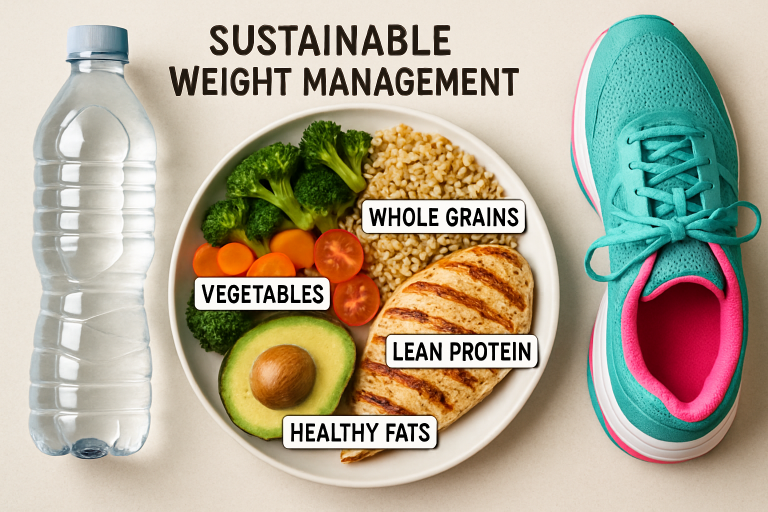
Shifting attention away from "magic bullet" foods and instead embracing a balanced, varied diet can yield sustainable benefits. Diet patterns like the Mediterranean diet, which emphasize vegetables, legumes, fruits, whole grains, nuts, and olive oil, have been linked to improved heart health and metabolism, according to studies published in Healthline. The consistency of eating high-quality foods, rather than outright restriction, helps prevent deprivation and binge cycles. This broader, flexible approach encourages enjoyment and satisfaction while meeting nutritional needs.
Another key factor is the use of minimally processed foods, which naturally contain more fiber, vitamins, and minerals. Minimally processed choices, such as fresh produce or whole grains, help regulate satiety and reduce excessive calorie intake. These foods can easily be adapted to suit various cultural preferences or dietary needs, making them a practical foundation for sustainable eating habits.
Balance Energy Intake with Energy Needs
Calorie balance forms the crux of weight control. Rather than pursuing extreme restriction, which often leads to rapid regain, focus on a moderate approach that fits your unique energy requirements. Track intake using food diaries or smartphone apps, gradually adjusting portions as you learn about your personal needs. Understanding energy density—how many calories are in a particular portion—can also help fine-tune your diet for better management without unnecessary deprivation.
Mindful and intentional eating can reinforce these improvements. Pausing to recognize true hunger and fullness, eating slowly, and making conscious choices at each meal can help prevent habitual overeating, even in challenging social or emotional situations. Over time, these simple adjustments can have a profound impact on weight maintenance and overall health.
Incorporate Regular Physical Activity
Exercise isn't just about burning calories; it's essential for maintaining metabolic health, regulating mood, and preserving lean muscle mass. High-Intensity Interval Training (HIIT) has revolutionized fitness by offering efficient, adaptable workouts tailored to individual capacity, often guided by AI and smart devices for maximum personalization and results. Meanwhile, strength training builds functional muscle, which boosts metabolism and supports daily movement.
For those seeking lower-impact options, Pilates and yoga offer joint-friendly alternatives that develop flexibility, endurance, and core strength, contributing to a well-rounded regimen. Aim for at least 150 minutes of moderate physical activity per week, as recommended by the Mayo Clinic, and adjust your routine as needed to stay motivated and prevent injuries.
Practice Mindful Eating
Mindful eating centers on the sensory and emotional experience of food. By slowing down, savoring each bite, and eliminating distractions such as screens or multitasking, you strengthen your connection to internal hunger and satiety cues. Research indicates that mindful eating can help individuals reduce overeating and regain control over their food choices.
Try simple practices such as putting down utensils between bites or checking in with your hunger level before meals. This can help you distinguish between emotional triggers and physical need, creating a healthier, more rewarding relationship with food. Over time, mindful eating may become a cornerstone of lasting dietary satisfaction and control.
Seek Professional Support
Many people benefit from expert guidance on their weight loss journey, especially when facing plateaus, medical complications, or motivational slumps. Registered dietitians, fitness trainers, and behavioral health professionals can provide structure, accountability, and tailored advice. Programs like "Eat Smart, Move More, Weigh Less" and other evidence-driven resources teach behaviors proven to support lasting change, from meal planning to stress management.
Regularly scheduled check-ins and ongoing education ensure that new routines become ingrained habits. Don't hesitate to reach out for help—collaboration with knowledgeable professionals can transform weight management from an overwhelming challenge to an empowering process of self-care and growth.
Conclusion
Long-term, sustainable weight management is possible through realistic, science-backed strategies that prioritize both physical and mental well-being. By focusing on whole dietary patterns, balancing energy intake, engaging in enjoyable physical activity, practicing mindful eating, and seeking professional support, you can achieve and maintain a healthier weight for life. Remember, small consistent changes often lead to the most significant, lasting results.