Creating a Relaxing Backyard Retreat with a Koi and Goldfish Pond
Key Takeaways
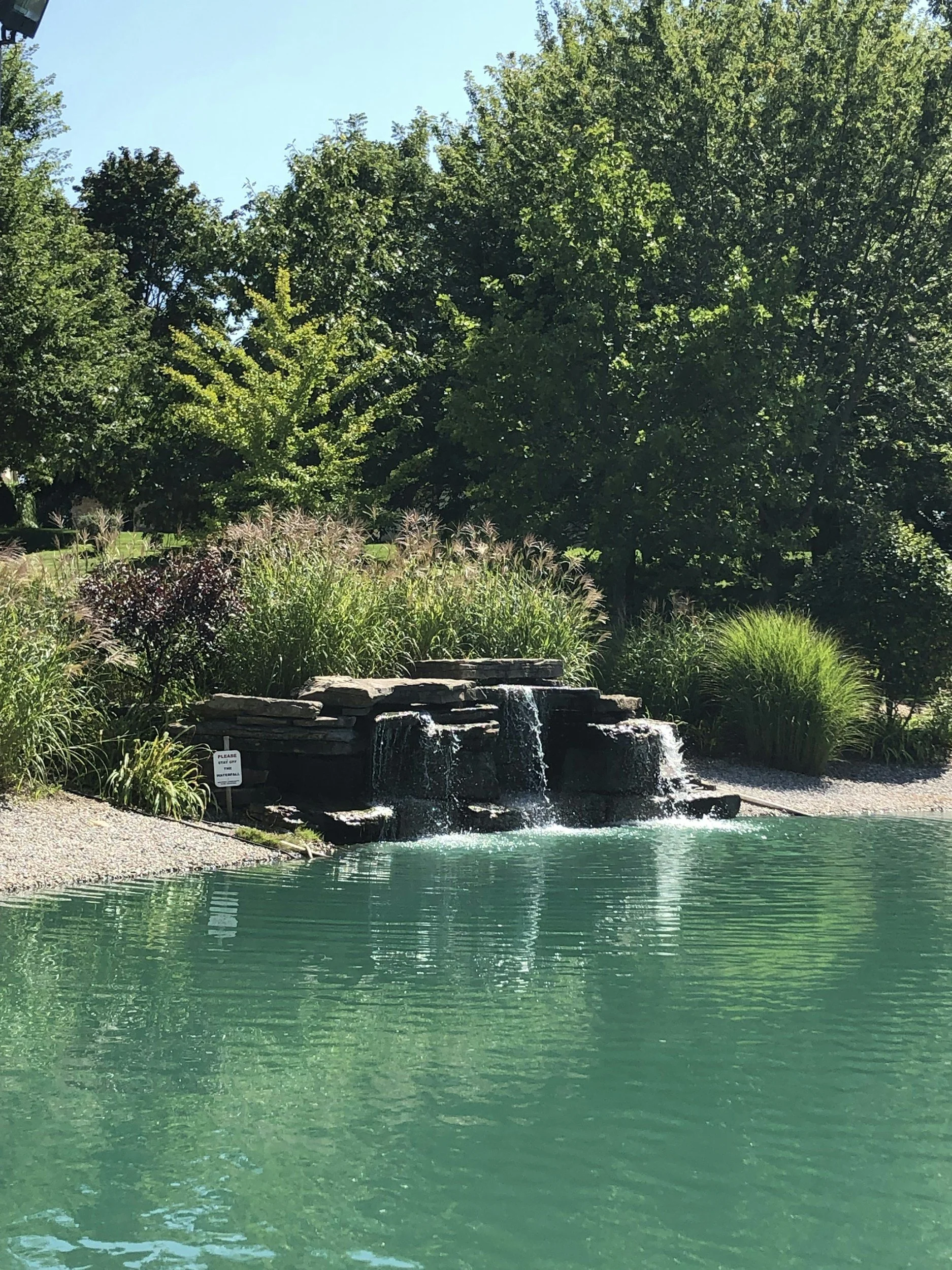
Designing a koi and goldfish pond significantly enhances the tranquility and beauty of your backyard.
Success starts with careful planning and ongoing maintenance to ensure the pond's health and the well-being of its aquatic inhabitants.
Incorporating natural elements and mindful landscaping creates a harmonious, aesthetically pleasing retreat.
Transforming your backyard into a serene oasis is remarkably accessible, especially with the beauty and tranquility of a koi and goldfish pond. Beyond their stunning visuals, these water features offer a peaceful escape from the daily grind and become a natural focal point for any landscape. If you’re considering taking your outdoor space to the next level, exploring koi pond installation in Austin, Texas, can be an excellent starting point for inspiration and expert advice.
A thoughtfully designed backyard pond offers a year-round retreat for relaxation and enjoyment, combining aesthetic appeal with ecological balance. By choosing features such as waterfalls, rocks, or aquatic plants, and by establishing proper maintenance routines, you can create a personalized, sustainable outdoor sanctuary for both yourself and local wildlife.
Planning Your Pond
Effective planning is the cornerstone of a thriving backyard pond. Start by determining the best size and depth for your available space. Koi and goldfish require a pond depth of at least three feet to thrive, especially in climates with winter freezes or significant temperature variations. This depth allows fish to find refuge in colder months and offers stable water conditions that support healthier ecosystems. For homeowners seeking a low-maintenance alternative, pondless waterfall installation Austin, Texas can provide the soothing sound and visual appeal of flowing water without the challenges of a traditional pond. Remember to consider your region’s climate and the number of fish you wish to keep when finalizing your design.
Choosing the Right Location
Placement is key to ensuring your pond’s success. Select a location that receives partial sunlight—four to six hours a day is usually ideal. Too much direct sunlight fosters excessive algae growth and raises water temperatures, while too much shade can impede vital plant life and diminish the vibrancy of your pond. Avoid areas under large deciduous trees to minimize the debris and leaf litter that can clog your filtration system and disturb water quality.
Design Elements
Bring nature closer to home by integrating natural stones, boulders, and a diverse selection of aquatic plants into your pondscape. Not only do these elements create a more organic appearance, but they also shelter fish and encourage a balanced micro-ecosystem. Elevate the calming effect with a bubbling waterfall or fountain—these water features add movement and refreshing sounds while aiding in water aeration, which is critical for your fish’s health.
Filtration and Maintenance
High water quality is non‑negotiable for the health of koi and goldfish. Choose a top‑notch filtration system matched to your pond’s volume and capacity. Filters remove waste, uneaten food, and debris, keeping water clear and minimizing harmful ammonia and nitrate buildup. According to U.S. News, backyard ponds require proper filtration, liners, and pumps, along with regular maintenance to control algae and bacteria growth. Set a regular schedule to inspect equipment, manually clear debris, and test water parameters like pH, ammonia, and nitrates. Consistent maintenance is simpler than fixing major problems later, protecting both your investment and your aquatic pets’ lives.
Introducing Fish
When you’re ready to populate your pond, introduce fish gradually to avoid overwhelming the new ecosystem. Begin with a handful of healthy koi and goldfish sourced from reputable breeders or garden centers. Koi, for example, are not only visually striking but can grow quite large, sometimes up to three feet, so be conservative with the number you add initially. For a deeper dive into koi care, behavior, and their fascinating history, you can explore this HowStuffWorks guide on koi fish. Closely monitor the new arrivals for signs of stress or illness, and maintain clean, well-oxygenated water to foster their ongoing health and vibrancy. Providing hiding spots and aquatic plants will help your fish feel secure and reduce stress. Regular observation and gentle interaction will, over time, encourage a thriving, balanced pond ecosystem.
Landscaping Around the Pond
Frame your aquatic centerpiece with native grasses, ferns, perennials, and shrubs. These plantings provide essential shade, help control water temperature, and serve as a secondary filter for rain runoff. Include rocks or stepping stones for a swoon-worthy natural edge and consider a bench or pergola nearby for the ultimate observation point. Creating inviting, shaded seating encourages you to unwind and enjoy the reassuring sights and sounds of your pondscape.
Safety Considerations
Prioritize safety, especially if children or pets frequent your yard. Install fencing, plant thorny bushes, or create gently sloping pond edges to prevent accidental slips. Floating pond covers and shallow shelves are excellent precautions for both people and wildlife. If local predators such as raccoons or birds are an issue, consider netting or dense marginal plantings to shield your fish from harm.
With thoughtful planning, robust maintenance, and creative landscaping, your backyard koi and goldfish pond can become a cherished sanctuary—a private retreat that brings year-round enjoyment, calm, and connection to nature.