Designing Engaging Learning Spaces: School Furniture Trends for Modern Classrooms
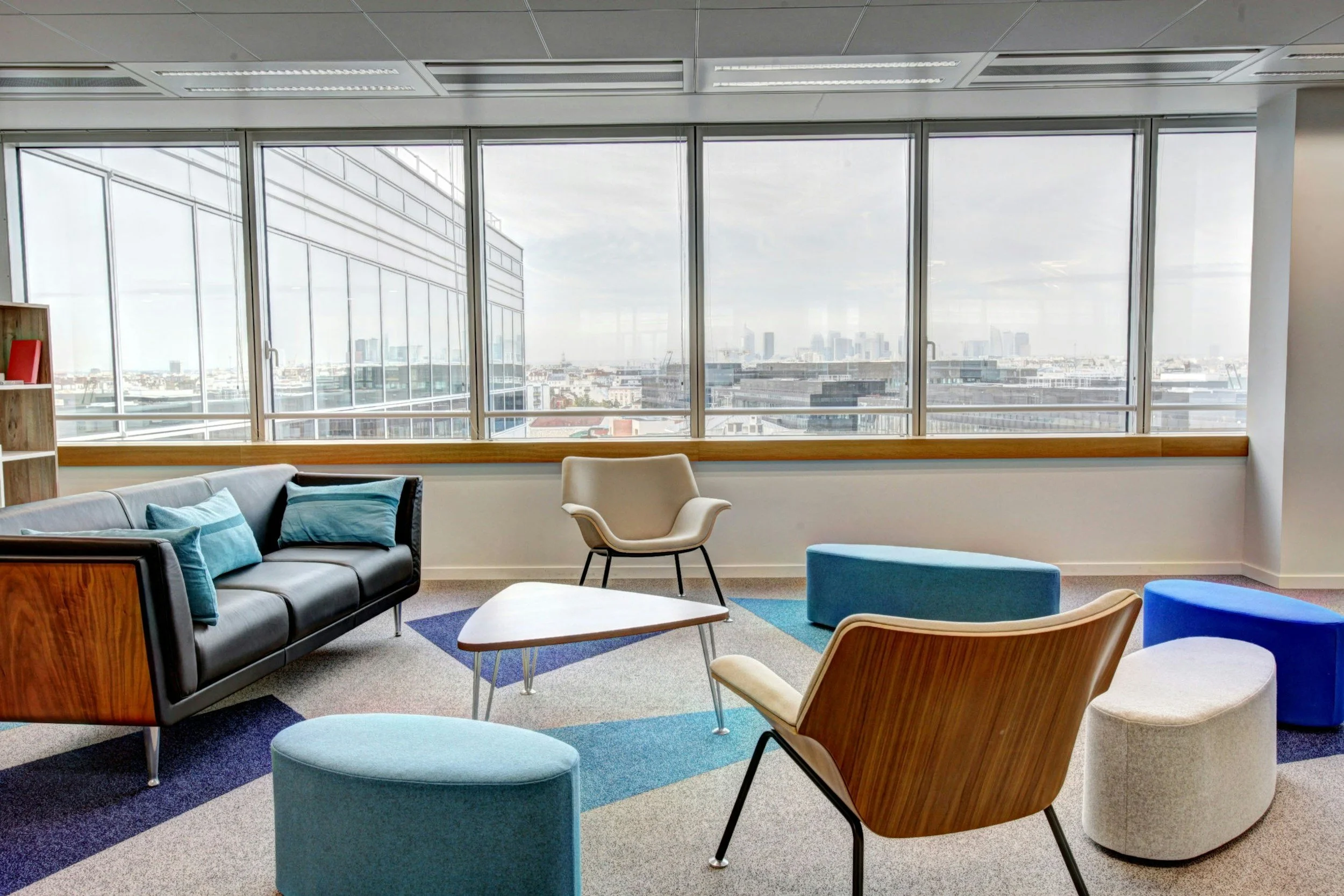
The Shift Toward Flexible Classroom Design
The traditional classroom setup has evolved to a more dynamic, flexible design that adapts to class needs, lesson topics, and teaching techniques. This approach acknowledges students' diverse learning preferences and encourages a participatory atmosphere. Teachers can adapt teaching styles by incorporating flexibility, enhancing lesson engagement, and promoting active participation.
Schools and administrators increasingly seek out school furniture stores that provide modular desks, lightweight chairs, foldable tables, and creative storage solutions. Flexible furniture supports various activities, including science labs, art workshops, and collaborative study circles. Modern classroom design research shows that adaptable environments increase student engagement and motivation. Furniture that adjusts to individual, pair, or group work improves focus, creativity, and collaboration.
Why Ergonomics Matters in Education
Many educational settings use outdated, uncomfortable furniture that doesn't fit students' varied heights and body types, leading to discomfort, poor attention, and posture problems. Ergonomic design is crucial for student comfort and classroom performance. Ergonomic desks and chairs are height-adjustable, provide proper lumbar support, and allow for posture changes throughout the day. Studies show that integrating these solutions reduces back and neck pain, minimizes distractions, and fosters positive physical development. As schools upgrade to ergonomic furniture, they often see improvements in student focus and reduced fidgeting.
The Popularity of Collaborative Furniture
21st-century education emphasizes collaboration, communication, and creative problem-solving through group work and discussion. Collaborative furniture, like round tables and mobile whiteboards, encourages effective teamwork. Classrooms with configurable grouping furniture foster peer-to-peer interaction, benefiting extroverted and shy students. Research shows that collaborative layouts nurture social-emotional skills, build empathy, and help learners of all personalities thrive. This approach increases participation, improves information retention, and fosters a sense of classroom community among educators. Visit Casey's classroom furniture store to explore options that support these dynamic learning environments.
Technology Integration: More Than Just Devices
Digital learning tools are crucial for both in-person and hybrid teaching models. The right environment and infrastructure are essential for their practical use. Classrooms with technology-friendly furnishings, such as charging ports and shared screens, support seamless integration and are crucial in diverse educational environments. Investments in tech-ready furniture improve student engagement, reduce setup time for interactive activities, and maintain readiness for evolving learning techniques.
Arranging Spaces for All Types of Learners
The "one classroom fits all" approach is outdated, as each student has unique needs and preferences. Schools are now designing multi-zoned spaces with diverse seating options, such as quiet reading corners, group project areas, standing workstations, and outdoor learning pods. This encourages autonomy and self-awareness, leading to increased motivation and participation. Flexible arrangements also reduce distractions for those sensitive to noise or movement, resulting in a more positive and productive learning atmosphere.
The Role of Multi-Functional Spaces
Multi-functional furniture, such as convertible tables, rolling storage units, and lightweight partitions, can be used in schools to switch purposes quickly. These versatile pieces are budget-savvy, reducing the need for frequent replacements. They also empower teachers to create the most appropriate environment for any lesson, resulting in more programs, improved student experiences, and greater return on infrastructure investment in limited resources.