Are Back Injuries Covered by Workers Compensation in Virginia?

Key Takeaways
- Workers’ compensation covers most work-related back injuries if they occur in the course of employment.
- Eligibility includes both new injuries and aggravation of pre-existing back conditions.
- Knowing exceptions and state-specific regulations is crucial for a successful claim.
- Immediate reporting and medical documentation strengthen your case.
- Seeking legal advice is highly recommended if your claim is denied or becomes complicated.
Back injuries remain one of the most frequent workplace injuries, often raising questions about whether workers’ compensation will cover the resulting medical bills and lost wages. If you suffered a back injury on the job, understanding your eligibility for workers’ comp benefits is vital. If you’re not sure about your rights or need help with your claim, don’t hesitate to get legal advice from a professional experienced in neck and back work-related injuries.
Most states require employers to provide workers’ compensation insurance that covers injuries “arising out of and in the course of employment.” It includes a wide range of back injuries. Still, your eligibility depends on the specific circumstances of your accident and the nature of your work tasks.
Back injuries can sideline your career, cause financial stress, and reduce your quality of life. By understanding the claims process, you can better protect yourself and your family in the event of an unexpected job-related incident.
Beyond individual company policies, workers’ compensation laws are designed to provide a safety net for employees. Suppose you’re unsure about your next steps or want to make sure you’re fully protected. In that case, it’s essential to be well informed about common causes, eligibility, and what to do after an injury.
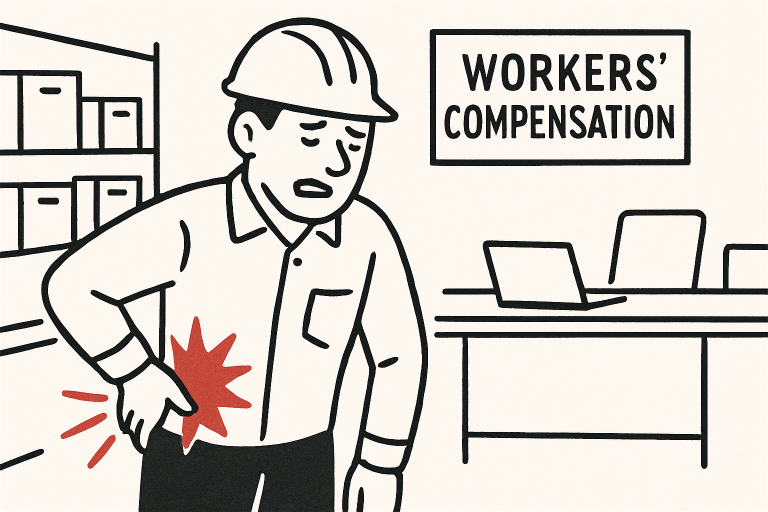
How Work-Related Back Injuries Happen
Workplace back injuries are often caused by daily activities like lifting, twisting, and repetitive motion. Some of the most common triggers include:
- Heavy Lifting: Using improper techniques or attempting to move items beyond your physical strength can cause acute or chronic muscle strain.
- Repetitive Motions: Occupations that require repeated bending, reaching, or awkward postures place repeated stress on the back.
- Slip and Fall Incidents: Slippery floors or uneven work surfaces can lead to sudden, traumatic injuries to the back and spine.
Workers’ Comp for Back Injuries: Am I Eligible?
To be covered, your injury must occur while performing work duties or as a direct result of your employment environment. For example, a delivery driver who injures their back while unloading goods would likely be eligible for benefits. Workers’ compensation is not fault-based, so you don’t need to prove anyone else caused your injury—just that it happened on the job.
However, if you’re performing activities outside your normal employment duties, there may be limitations. Reviewing your state’s specific rules or consulting with an attorney is recommended to make sure you qualify for benefits. Many states provide guidelines or minimum thresholds for what’s considered “work-related.”
How Pre-Existing Conditions Affect Your Claim
Even if you have a history of back pain or degenerative disc disease, you may still qualify for compensation if work activities aggravated your condition. The key question is whether your job made your condition measurably worse—this is often evaluated based on medical evidence and job history.
If your claim involves pre-existing conditions, medical documentation from both before and after the workplace incident is critical for success.
Exceptions and Limitations to Coverage
Not all injuries are covered under workers’ comp, even if they involve your back. Most plans specifically exclude:
- Off-Site or Commute Injuries: Injuries sustained while traveling to and from work generally are not covered, unless you were performing a work errand or task at the time.
- Self-Inflicted Injuries: Any harm caused intentionally by the employee is excluded from coverage.
- Substance Influence: If you were under the influence of alcohol or drugs when the injury occurred, your claim will likely be denied.
Why State Laws Matter
Workers’ compensation is governed by state law, and these rules can dramatically affect your rights. For instance, North Carolina treats back injuries under unique provisions: a specific traumatic incident may qualify, even if there wasn’t a classic “accident.” Other states may impose more stringent requirements or limits on the amount of compensation.
Understanding how your state handles work-related back injuries ensures you don’t forfeit benefits you’re entitled to receive. The Occupational Safety and Health Administration (OSHA) provides state-by-state resources and information on filing complaints for injured workers.
Steps After a Back Injury on the Job
- Report Immediately: Notify your supervisor and follow official reporting procedures. Delays may hurt your claim.
- Seek Medical Attention: Obtain prompt medical care and ensure that your provider documents the injury as work-related.
- File a Claim: Complete your employer’s required paperwork for a formal workers’ comp claim. Keep copies of every document.
- Consult an Attorney if Needed: Particularly if your claim is denied, challenged, or if you have suffered serious injuries, consulting a lawyer with work injury experience can significantly impact the outcome.
Conclusion
Work-related back injuries are physically and financially challenging, but workers’ compensation is designed to help injured employees recover and return to work safely. Being proactive—knowing your rights, following the correct procedures, and seeking prompt legal or medical help—maximizes the chance of a smooth recovery and fair compensation.
If you believe your back injury is work-related, don’t hesitate to act. Swiftly reporting your injury, securing medical attention, and understanding your legal protections provide the support you need when you need it most.