Flexible Car Insurance Options for Modern Lifestyles
Key Takeaways
- Flexible car insurance caters to varying driving habits and financial situations.
- Options include pay-as-you-go, usage-based, and temporary coverage.
- Technological advancements enable personalized insurance solutions.
- Understanding these options can lead to significant savings and better coverage.
In today's fast-paced world, drivers have more options than ever before when choosing car insurance that truly fits their needs. Traditional one-size-fits-all policies increasingly fall short, especially as people’s driving habits evolve with remote work and ridesharing trends. In response, a host of modern solutions is changing how we protect ourselves and our vehicles. Month-to-month auto insurance explained has emerged to help drivers align their coverage with their current lifestyles, offering unprecedented convenience and cost control.
The rise of flexible car insurance options means that drivers are no longer forced into rigid, long-term contracts. Instead, they can select coverages tailored to how they drive, how much they drive, and their unique financial circumstances. As the insurance industry incorporates new technologies, these adjustments aren’t just possible—they’re easy and affordable. It's never been simpler to adjust coverage as life changes, reduce unnecessary costs, and enjoy peace of mind on the road.
Why Flexible Car Insurance Matters
The classic annual or long-term car insurance policy may still work for some, but it often doesn't align with the needs of modern drivers. More people than ever are working from home, commuting less, or only using their cars occasionally. These shifts mean standard fixed-rate premiums can result in overpaying for coverage that doesn’t match actual usage. Flexible insurance products have emerged in response, allowing premiums to align with actual driving behavior—potentially saving policyholders substantial amounts while ensuring they have adequate protection.
This evolution is vital as the financial landscape changes. Many people are now balancing complex schedules, shared vehicles, or fluctuating incomes. Flexible car insurance options empower them to adapt their coverage from month to month or even trip to trip, minimizing wasted spend while keeping pace with their actual situations.
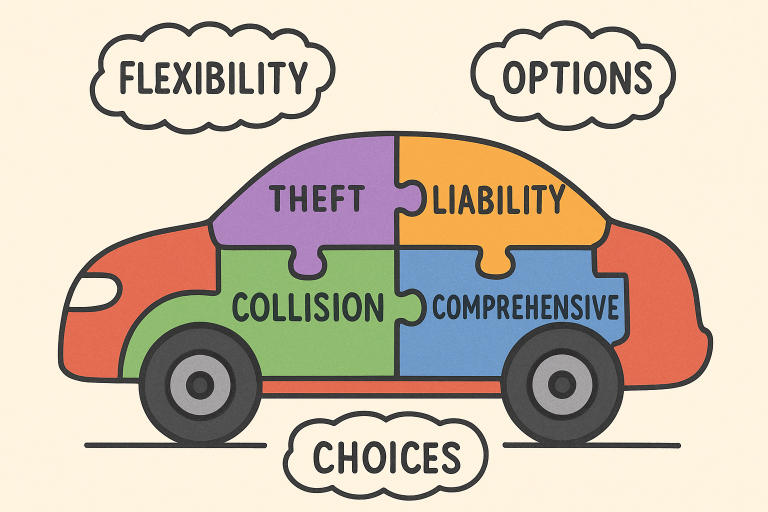
Types of Flexible Car Insurance
Flexibility in car insurance comes in several key forms, each offering targeted benefits:
- Pay-As-You-Go Insurance: This innovative option links premiums directly to mileage, making it ideally suited for low-mileage drivers, students, retirees, or those who rely on public transit most of the time. For example, Nationwide's SmartMiles program allows drivers to pay a base rate plus a per-mile rate each month, offering savings for those who drive less.
- Usage-Based Insurance (UBI): By leveraging telematics—devices or smartphone apps that monitor real-time driving behaviors—UBI policies reward careful drivers with lower rates. Good braking, gentle acceleration, and minimal nighttime driving can all lead to savings. Allstate's Milewise program, for instance, uses a device to capture monthly mileage and driving behaviors, adjusting rates accordingly.
- Temporary or Short-Term Insurance: For those who need insurance for a short period—think test drives, car rentals, business trips, or while waiting for a new long-term policy—a temporary plan provides critical protection without a long-term commitment. Companies like Good2Go Insurance offer month-to-month car insurance plans tailored for such needs.
Each model allows drivers to match their insurance solution with their reality, eliminating wasted coverage and surprising expenses.
Benefits of Flexible Car Insurance
Adopting a flexible car insurance approach can produce immediate and long-term advantages:
- Cost Savings: Premiums reduce in direct proportion to actual driving, preventing overpayment. For those with variable commutes or frequent periods without vehicle use, the result is reliable, continuous savings.
- Personalized Coverage: Policies are optimized to an individual's driving habits and risk, ensuring adequate protection—no more, no less.
- Adaptability: Life changes fast, and flexible policies can adapt without penalties or waiting periods. Changing coverage as your job, residence, or vehicle situation changes is a seamless process.
With flexibility increasingly the norm, more insurance providers are offering extra support, customer service, and even bonus features like roadside assistance as part of their modular offerings.
Technological Advancements in Flexible Insurance
The transformation in car insurance is powered by the latest in digital technology. Insurers use telematics to collect intricate data on driving speed, braking, and even the time of day the car is in use. This data enables risk to be assigned far more accurately, paving the way for fair and transparent pricing for every type of driver. Many companies also offer mobile apps that let policyholders monitor usage, update coverage, or purchase additional protection instantly.
The move toward subscription-based, entirely online models means drivers aren’t stuck with long hold times or complicated paperwork. This new digital ecosystem supports monthly renewals, easy upgrades or downgrades, and real-time policy adjustments. These advancements have become especially important as drivers seek maximum convenience and minimal hassle in their everyday lives.
How to Choose the Right Flexible Insurance
- Assess Driving Habits: Start by calculating your average annual mileage and identifying patterns—do you drive more in certain seasons? Do shared vehicles impact your total miles?
- Compare Providers: Look beyond cost alone—consider customer reviews, policy app features, digital support services, and the provider’s financial stability.
- Understand Terms: Carefully review what’s included in each policy, as well as any restrictions, deductibles, or exclusions. Ask about fees for changes and check for minimum or maximum term requirements.
Staying informed and periodically reassessing your insurance needs as circumstances change will ensure you continue to benefit from the flexibility of these options.
Conclusion
Flexible car insurance is revolutionizing the industry by providing tailored options that reflect how people actually live and drive. As digital innovation accelerates, these adaptable insurance solutions are set to become the standard, delivering a blend of affordability, personalization, and convenience. Understanding these alternatives allows every driver to save money, remain protected, and navigate life’s changes with confidence.