Trauma-Informed Approaches Every Therapist Should Know

Key Takeaways
- By carefully integrating core principles, trauma-informed care prioritizes client safety, empowerment, and healing.
- Recognizing the difference between being trauma-informed and trauma-trained is essential for effective therapeutic work.
- Evidence-based trauma techniques improve client outcomes and satisfaction.
- Continuous self-education and self-care are critical for therapists navigating trauma-informed practices.
Table of Contents
- Understanding Trauma-Informed Care
- Key Principles of Trauma-Informed Therapy
- Effective Trauma-Informed Techniques
- Benefits of Trauma-Informed Therapy
- Distinction Between Trauma-Informed and Trauma-Trained Therapists
- Creating a Trauma-Informed Environment
- Challenges in Trauma-Informed Care
- Final Thoughts
Understanding Trauma-Informed Care
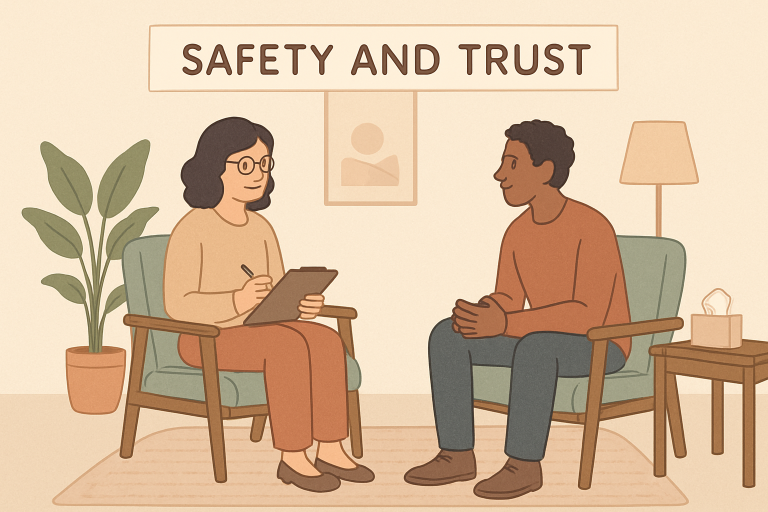
Trauma-informed care is a foundational framework in modern psychotherapy that recognizes the profound and lasting effects trauma can have on individuals across the lifespan. Instead of focusing solely on symptoms, this approach integrates an awareness of trauma's impact into every aspect of the therapeutic process. From the first session onward, it strives to create a respectful atmosphere that fosters trust and safety.
A trauma-informed lens means recognizing that trauma is not rare; it is a common experience, and its effects can influence every area of a client’s life. By prioritizing sensitivity to these effects, therapists can reduce the risk of re-traumatization, building more effective and compassionate therapeutic relationships that support recovery and resilience. Training opportunities such as online counselling courses Ireland further equip professionals with the knowledge and skills needed to integrate trauma-informed approaches into practice.
Therapists are called not only to provide symptom relief but also to address the underlying wounds and vulnerabilities caused by trauma. This framework guides professionals in responding to their clients with empathy, patience, and flexibility, which can make a significant difference for those seeking help after experiencing trauma.
Key Principles of Trauma-Informed Therapy
- Safety: The therapeutic environment must be a refuge where clients feel physically and emotionally protected. Every interaction should reinforce that sense of safety.
- Trustworthiness: Clear, consistent communication and boundaries allow clients to rely on their therapist, fostering trust essential for deep healing.
- Empowerment: Clients need opportunities to make choices about their care, helping restore a sense of agency that may have been eroded by trauma.
- Collaboration: Therapists work in partnership with clients, respecting their insights and goals for treatment to build better outcomes together.
Effective Trauma-Informed Techniques
Therapists employ several evidence-based methods to help clients navigate and heal from trauma:
- Eye Movement Desensitization and Reprocessing (EMDR): This modality uses guided eye movements or other bilateral stimulation to help clients process and integrate traumatic memories. EMDR is particularly effective for post-traumatic stress disorder (PTSD) and related symptoms, according to findings published by the American Psychological Association (APA).
- Dialectical Behavior Therapy (DBT): DBT equips clients with skills for emotion regulation, distress tolerance, and mindfulness, supporting them in developing healthier coping mechanisms when faced with overwhelming emotions.
- Somatic Experiencing: This approach focuses on tuning into physical sensations to release stored trauma energy, guiding clients toward healing by helping them reconnect safely with their bodies and increase present-moment awareness.
Benefits of Trauma-Informed Therapy
Adopting trauma-informed strategies offers tangible benefits for clients and therapists alike. Clients often experience a reduction in trauma symptoms such as anxiety, depression, and hypervigilance. Their engagement with therapy increases, leading to greater satisfaction and more meaningful progress toward personal goals.
- Enhanced mental health and well-being as trauma symptoms diminish
- Greater trust in the therapeutic relationship, which serves as a foundation for transformative work
- Broader application—these approaches support clients with diverse backgrounds and types of trauma, making them a universal asset in any clinical practice
Distinction Between Trauma-Informed and Trauma-Trained Therapists
It is important to differentiate between trauma-informed and trauma-trained therapists. While all therapists can benefit from being trauma-informed—practicing within this sensitive and supportive lens—trauma-trained therapists have pursued additional, specialized education in trauma treatment.
These professionals master advanced modalities, remain up-to-date with emerging research, and are equipped to work intensively with complex trauma. This distinction is crucial for clients with significant trauma histories, ensuring they receive the depth of care required for profound healing.
Creating a Trauma-Informed Environment
Establishing a setting that embodies trauma-informed principles requires intentional actions and ongoing reflection. Therapists should:
- Ensure every aspect of their practice (from physical office space to digital communication) supports feelings of safety and respect.
- Maintain transparent policies around confidentiality, scheduling, and expectations to reinforce trust.
- Empower clients to make informed choices about therapy sessions' pace, direction, and content, building a sense of agency and resilience over time.
Challenges in Trauma-Informed Care
Therapists may face a range of difficulties when implementing trauma-informed principles. Secondary traumatic stress, emotional exhaustion, and the complexity of systemic issues can present ongoing challenges. For this reason, ongoing education, supervision, and commitment to self-care are essential—helping clinicians stay effective, balanced, and compassionate.
In addition, therapists must remain vigilant about their own emotional boundaries and resilience so that they do not inadvertently bring vicarious trauma into the therapeutic space. Engaging in peer consultation, reflective practice, and taking courses, such as those available through online platforms, can bolster professional effectiveness and longevity.
Final Thoughts
Trauma-informed care transforms the therapeutic relationship and experience, making it safer, more empowering, and far more effective for clients who have experienced trauma. As the demand for mental health services rises, therapists who embrace this approach will be best positioned to foster true healing. By integrating the central principles and techniques of trauma-informed therapy and continuing to educate themselves, therapists can help their clients reclaim hope and well-being.