Factors That Affect Crane Rental Costs
Table of Contents
- Introduction
- Crane Type and Capacity
- Rental Duration and Pricing Structure
- Operator and Crew Costs
- Transportation and Mobilization Fees
- Job Site Conditions and Setup Requirements
- Permits, Insurance, and Compliance Costs
- Additional Equipment and Attachments
- Market Factors and Supply Chain Constraints
Introduction
Renting a crane for your next construction or industrial project can be a major investment, and estimating costs with accuracy is essential for keeping your project on track and within budget. Understanding the multitude of influences on crane rental pricing arms you with the knowledge to make informed decisions and avoid expensive surprises. Whether you’re managing a complex lift for a high-rise build or scheduling equipment for maintenance tasks, knowing how factors like equipment type, site conditions, and market trends shape your rates is invaluable. When exploring crane rental Charlotte rates, it’s wise to analyze the details before you commit, so you can optimize resources and safeguard your investment.
External factors like supply chain slowdowns and regional labor markets can affect the availability of certain crane types and unexpectedly raise prices. Working with an experienced crane provider and factoring all elements into your bid will minimize the risk of unplanned costs and project delays.
Beyond costs alone, managing a crane operation means prioritizing safety. Before your first lift, familiarize yourself with important regulations and crane safety procedures to ensure your crew and job site remain secure throughout the rental period.
Crane Type and Capacity
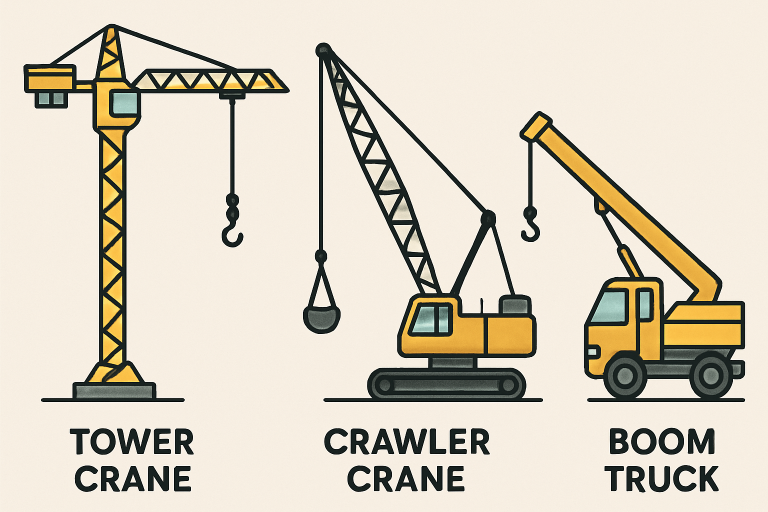
The type and capacity of the crane you select represent core drivers of rental costs. Smaller machines, such as carry deck cranes, are ideal for confined industrial jobs or routine plant maintenance and tend to be more budget-friendly. On the other end, hefty tower cranes or multi-axle all-terrain models required for skyscraper or infrastructure work come at a higher daily price due to their size, engineering, and assembly needs.
- Rough Terrain Cranes: Off-road functionality, suited for challenging construction sites.
- All-Terrain Cranes: Flexible use on highways or rough terrain, excellent for varied project locations.
- Crawler Cranes: Massive capacity and ground stability, ideal for heavy, repetitive lifts.
- Telecrawler Cranes: Merging rough terrain handling with compact crawler bases for special job sites.
- Tower Cranes: The fixed solution for high-elevation and city construction projects.
- Boom Trucks: Road-legal mobile lifting where reach and mobility are needed.
- Carry Deck Cranes: Compact, nimble, and frequently used for plant and facility applications.
Choosing an appropriately sized crane prevents shortfalls in lift capability—and overpaying for excess power.
Rental Duration and Pricing Structure
Rental companies structure their crane pricing around rental duration: per day, week, or month. Longer rentals result in lower daily rates, while short-term needs can drive per-day prices higher due to setup and mobilization overheads. For large, long-term projects, multi-month packages or negotiated rates can deliver substantial savings, but only if you can precisely estimate your schedule and utilization.
Operator and Crew Costs
Crane operators are highly skilled professionals certified to manage heavy lift operations safely. Some rentals include an operator; others, called “bare rentals,” place responsibility for personnel squarely on the renter. Local wages, required crew members (riggers, signalers), and the complexity of the lift determine operator costs, which are typically billed by the half-day or full day. Ask your vendor about bundled “operated & maintained” packages for a streamlined price and safer worksite.
Transportation and Mobilization Fees
Getting cranes to your site can be a logistical challenge—and a notable expense. Smaller truck cranes can often be driven right to your project. Still, large crawler, all-terrain, or tower cranes might require multiple truckloads, specialized rigging, and even transportation permits for oversized loads. Access restrictions—narrow streets or rural locations—can also increase costs due to additional planning and labor requirements.
Job Site Conditions and Setup Requirements
Every job site presents unique requirements. Urban locations might need permits for street closures, while soft or unstable ground may require special mats or ground stabilization before crane setup. Project specifics—such as extended boom requirements to clear tall structures or weather delays due to wind speed—should all be reviewed before rental begins. Close coordination with your crane provider ensures nothing is overlooked, avoiding safety risks and unexpected fees.
Permits, Insurance, and Compliance Costs
Many lift operations are regulated by local, state, or federal law. Permits for road closures or oversized equipment are often needed, and safety inspections or city approvals can introduce extra fees. Rental companies usually require renters to provide proof of liability insurance, though some offer coverage for an added fee. Consider these compliance needs as essential to your full crane rental budget. Learn more about equipment permitting regulations at OSHA's crane safety resources.
Additional Equipment and Attachments
Many lifts need extra gear, from heavy-duty spreader bars and rigging systems to forklifts for on-site support. Weekend, night, or holiday work will likely increase crew and machinery costs since many rental firms charge premiums outside standard hours. Always identify such needs early, as forgetting an attachment or labor requirement can lead to costly mid-project delays.
Market Factors and Supply Chain Constraints
Wider market realities such as equipment shortages, manufacturing delays, or supply chain disruptions have a direct impact on crane availability and rates. Post-2020, crane lead times for popular models from manufacturers like Liebherr and Manitowoc have doubled, driving utilization rates above 85% across much of the U.S. equipment rental sector. Elevated demand and scarcity pressures have pushed rental rates up 20–30% since 2021. Projects with flexible start dates or early reservations can occasionally lock in lower prices.
Staying informed about shifts in the construction equipment market—both regionally and nationally—will help you plan resourcefully and forecast with confidence. Explore industry outlooks and trends on For Construction Pros for the latest market factors affecting crane rental costs.
By evaluating each of these factors prior to booking and involving your crane provider early, you’ll secure the right equipment at the right price, keeping your project on time, on budget, and, above all, safe.