What a Strand of Pearls Knows
I grew up around jewelry the way some people grow up around music. My father and grandfather were fine jewelers, and the language of stones and settings was simply the language of the house. I knew the weight of a good piece in the hand before I knew what it cost, and I understood, long before I could have said it, that jewelry was never really about decoration. It was about what a piece carried, and what it said without being asked.
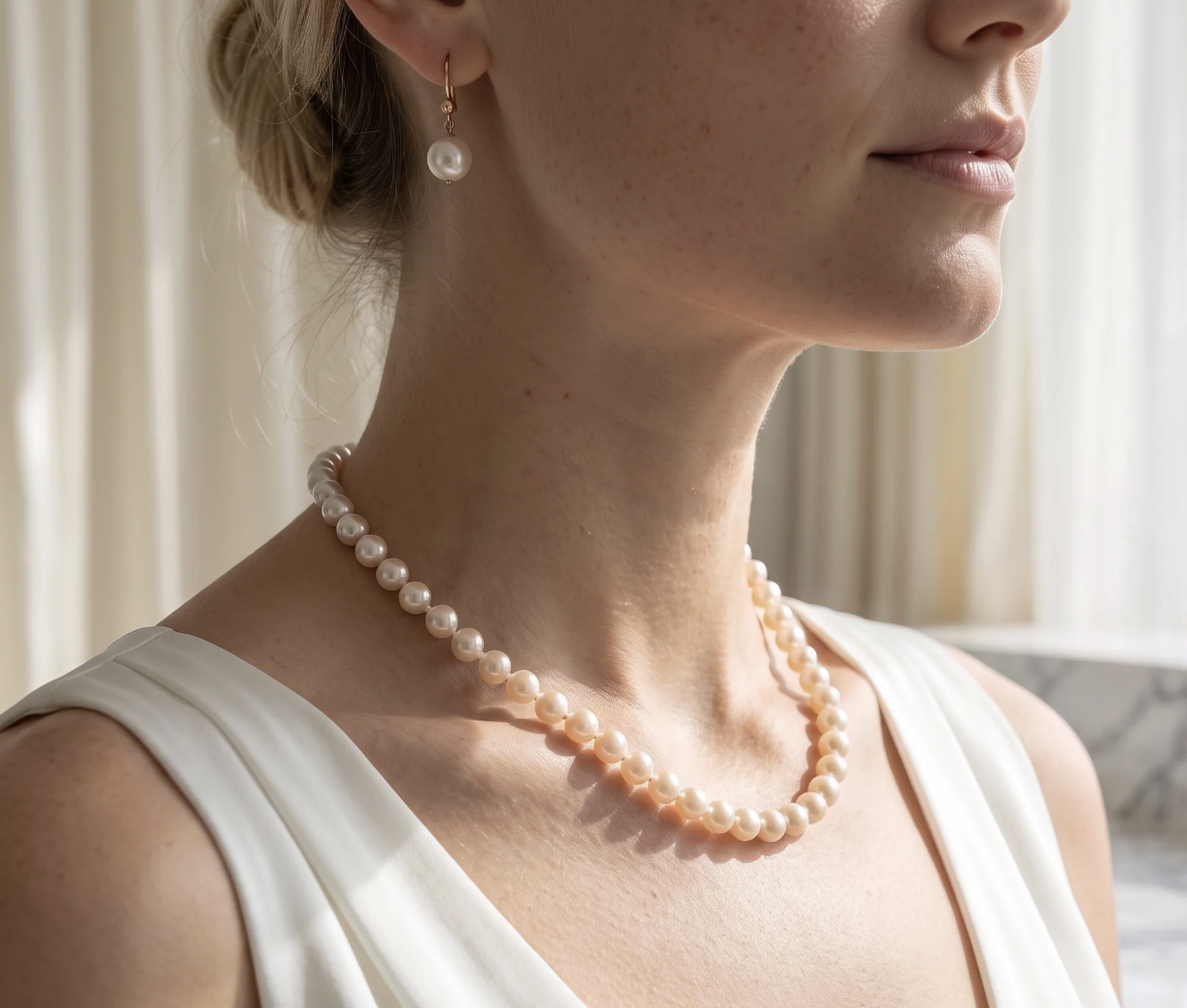
So when I think about presence, the idea I have spent my career on as a publicist, I keep returning to a strand of pearls. Not because pearls are trendy, and not because they are expensive, but because they are one of the few things a woman can wear that changes how she is read the moment they touch her skin.
The quietest sign in the room
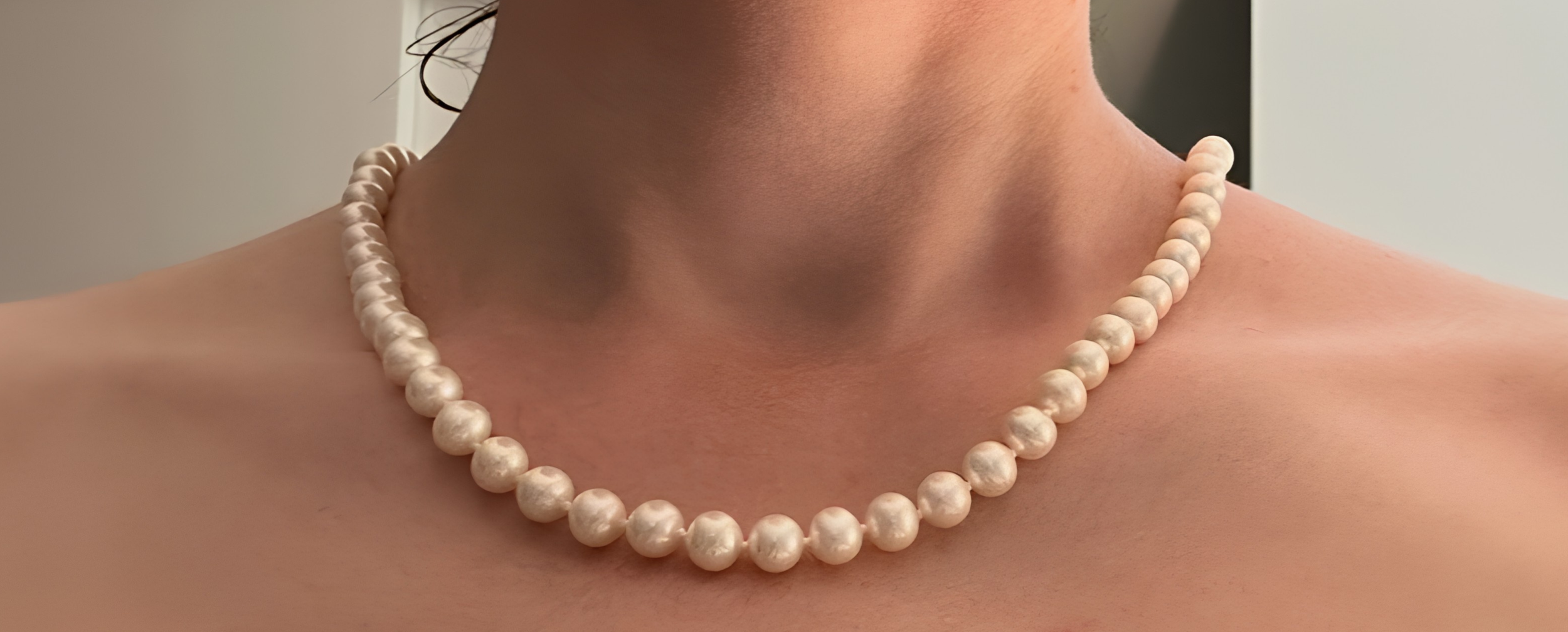
Most of what we wear announces something. A logo, a color, a hemline; these speak in a register you can hear across a room. Pearls do the opposite. They are the quietest sign a woman can send, and somehow the most legible. A strand of good pearls says composed, considered, sure of yourself, without saying anything at all. It is the closest thing style has to restraint made visible, and restraint, as I have argued for years, is the most underrated form of power.
The strand I keep reaching for came from Pearls of Joy, and what struck me first was not the shine. It was the evenness. My father used to say you could tell everything about a strand by how the pearls matched; that the discipline was in the sorting, in the hundreds of small decisions no customer would ever see. A well-made strand is a lesson in exactly the thing I write about: the quality is in the decisions most people never notice. You feel it before you can name it.
Why it reads the way it does
There is a reason pearls have outlasted nearly every other kind of jewelry as a sign of presence. They are not loud enough to compete with the woman wearing them, and they are not cheap enough to read as an afterthought. They sit in the exact spot that says this person has decided who she is. That register is hard to buy your way into with anything flashier. A bigger stone tries harder. A trend dates faster. Pearls simply hold.
I think that is why they have followed women through every version of themselves, the first job, the hard year, the room they were not sure they belonged in. A strand of pearls is portable composure. You put it on, and you borrow, for a moment, the certainty it projects, until the certainty becomes your own.
The heirloom logic
The other thing my family taught me is that the best pieces are bought once. Not because they are the most expensive, but because they are chosen to last, to be worn for decades and then handed down. A strand of pearls is the rare accessory that gets more meaningful with time rather than less. It is the opposite of the disposable way we have been taught to consume style, and it is, quietly, the more radical choice.
I did not expect a piece of jewelry to say so cleanly the thing I spend my days trying to teach. But there it is, on the strand: presence is not about being seen more. It is about being read correctly. And a good strand of pearls has known that for a very long time.
Kristin Marquet is a brand strategist, author, and founder of Maison Marquet. She writes about presence, positioning, and being read as well as you actually are. The strand featured is from Pearls of Joy.