Finding Your Niche: How Three Unique Retailers Built Successful Brands
Case Study 1: The Passion-Driven Niche – Sports Collectibles
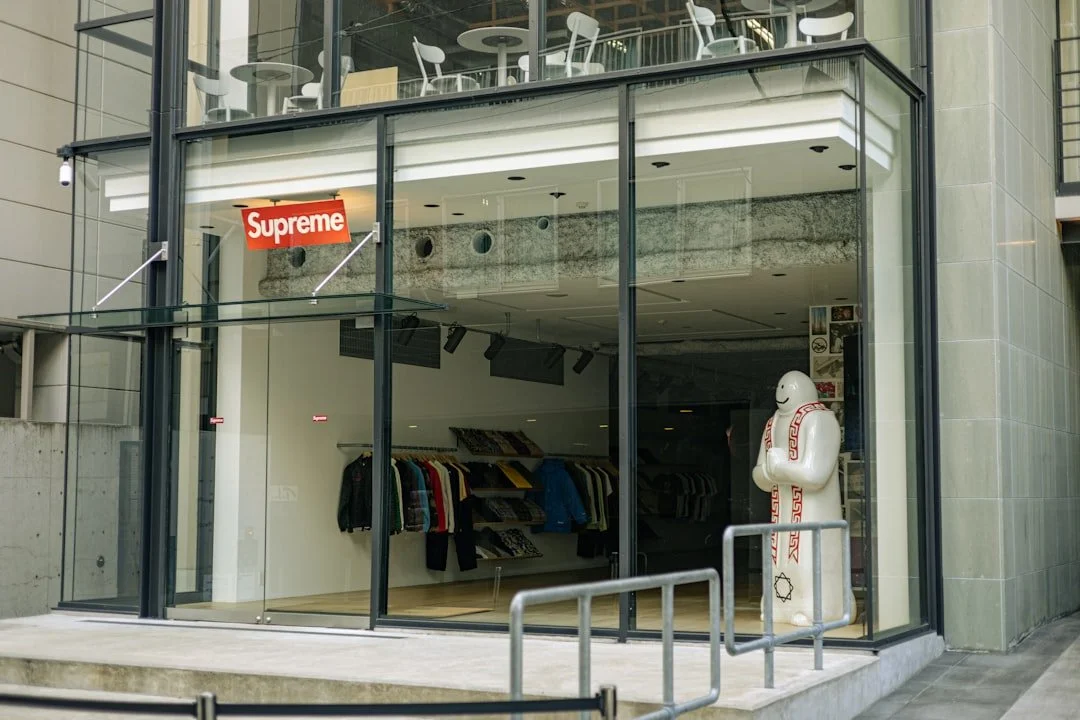
The way we shop is changing. Big stores used to be everywhere. But today, smaller, very focused businesses are finding great success. This is what we call niche retail.
Niche retail refers to a business that serves a very specific group of customers. Or it sells a very specific type of product. Think of it as going deep, not wide. Instead of trying to sell everything to everyone, these stores focus on one special area.
Why does this matter? The internet makes it easy for people to find exactly what they want. Shoppers are looking for more than just low prices. They want unique items, expert advice, and a sense of belonging. Niche retailers offer just that. They build trust and create very loyal customers.
We will explore three distinct examples of niche businesses. We will see how they turned a specific interest or an unmet need into a thriving brand. We will look at a passionate sports collectibles store, a curated men's fashion brand, and a specialized home goods supplier. Each shows the power of focusing on a unique market.
The world of sports collectibles is a prime example of a passion-driven niche that has blossomed into a significant market. What began as a childhood hobby for many has evolved into a sophisticated industry, attracting both serious investors and dedicated enthusiasts. This market is not just growing; it's exploding. Recent projections indicate the global sports memorabilia market is set to reach an astounding $100 billion by 2028, having already been valued at $100.1 billion in 2022 and growing at a compound annual growth rate (CAGR) of 7.1% from 2023 to 2030. This robust growth underscores the deep emotional connection and financial interest people have in sports history.
At the heart of this niche are the specialized stores that cater to every facet of a collector's journey. These aren't just shops; they are community hubs where enthusiasts can share their passion, find rare finds, and get expert advice. Whether it's a vintage baseball card from the 1950s, a signed jersey from a modern superstar, or a sealed hobby box of the latest releases, these stores curate their inventory to meet the diverse demands of their clientele.
The types of items offered are incredibly varied, ranging from trading cards (which have seen a significant surge in popularity, with some rare cards fetching millions) and autographed memorabilia (the most sought-after category) to game-used equipment, bobbleheads, and even specialty merchandise like stadium dirt. Many stores also stock essential supplies, such as card protectors, display cases, and hobby boxes, ensuring collectors have everything they need to preserve and showcase their treasures.
What makes these stores unique is their deep understanding of the market and their commitment to authenticity. With valuable items, trust is paramount. Reputable sports collectibles stores often offer or facilitate professional grading and authentication services from industry leaders like PSA and Beckett. This service is crucial for verifying the value and legitimacy of items, providing peace of mind to both buyers and sellers. Some stores even act as authorized submitters, streamlining the process for their customers.
Beyond sales, many of these niche retailers foster a vibrant community. They host special events, such as public signings with athletes, trade nights where collectors can exchange items, and even card shows that draw enthusiasts from a wide service area. These gatherings transform a transactional relationship into a communal experience, building loyalty and shared excitement.
The digital age has further empowered this niche. While brick-and-mortar stores remain vital for community and in-person transactions, online platforms have expanded their reach exponentially. Collectors now flock to specialized online hubs, like those offering a curated selection of Kyle's Niche Retail sports collectibles, to find rare and specific items. These online storefronts provide access to a global inventory, allowing collectors to hunt for that elusive piece of sports history from anywhere in the world. Many physical stores maintain a strong online presence, utilizing their websites and social media (like Instagram, Facebook, and YouTube) to showcase new arrivals, announce events, and engage with their customer base. They also often offer online shopping and shipping options, blurring the lines between local and global commerce.
The price range for items can vary dramatically, from affordable starter packs and common cards to high-value autographed items and vintage cards worth thousands or even millions. Many stores also engage in buying and trading collectibles, offering cash for collections or single cards, and providing appraisal services. This creates a dynamic marketplace where collectors can continuously refine their holdings. Loyalty programs and special offers are also common, rewarding repeat customers and further strengthening community ties.
Sports collectibles retailers succeed by tapping into a deep well of passion, providing expert knowledge, ensuring authenticity, and building a strong community around a shared interest. They understand that for their customers, these aren't just items; they are tangible pieces of history, memories, and dreams.
Case Study 2: The Curated Lifestyle Niche – Men's Fashion
Moving from tangible sports history, we turn our attention to a different kind of niche: curated men's fashion. This segment thrives not on collecting rare artifacts but on defining and delivering a specific aesthetic and lifestyle to a discerning demographic. Mass-market clothing stores often cast a wide net, offering a dizzying array of styles, qualities, and price points. While this approach caters to the broadest possible audience, it often lacks a distinct voice or a strong sense of identity.
Niche men's fashion retailers, however, choose to specialize. They might focus on vintage-inspired workwear, minimalist urban essentials, sustainable and ethically produced garments, or even specific subcultures, such as streetwear or custom casuals. Their success lies in targeting a very specific demographic that resonates with their chosen aesthetic. This isn't about selling clothes; it's about selling a vision, a lifestyle, and a sense of belonging.
The core of their strategy is an unwavering aesthetic focus. Every piece, from a shirt to an accessory, is carefully selected to align with the brand's overarching style. This curation creates a cohesive collection that speaks directly to their target customer. It's about quality over quantity, emphasizing craftsmanship, durable materials, and timeless designs that transcend fleeting trends. Customers aren't just buying a shirt; they're investing in a piece that fits seamlessly into their desired wardrobe and lifestyle.
Brand storytelling plays a crucial role in this niche. These retailers often share the narrative behind their products – the inspiration, the design process, the origin of materials, and the skilled artisans involved. This transparency and depth build a powerful connection with customers who value authenticity and conscious consumption. They create a distinct identity that mass-market brands struggle to replicate, fostering a loyal customer base that feels understood and catered to. This approach is evident in online boutiques that focus on premium stylish men's casuals, offering a distinct point of view that mass-market retailers can't match. They understand that their customer isn't just looking for something to wear, but something that reflects their personal brand and values.
These niche fashion brands often excel at visual merchandising, whether in a physical boutique or on an e-commerce platform. Their websites and social media channels are carefully designed to convey their aesthetic, using high-quality photography and compelling descriptions. They might also engage with their community through style guides, editorial content, and collaborations with influencers who embody their brand values. By creating an immersive brand experience, they cultivate a sense of exclusivity and desirability, making their customers feel part of a select group that appreciates fine style and thoughtful design.
Case Study 3: The Problem-Solving Niche – Specialized Home Goods
Our third case study takes us into the field of home goods, but not the broad categories found in large department stores. Instead, we explore the power of identifying essential products that solve a very specific problem for a particular customer base. This is the "problem-solving niche," where expertise and utility reign supreme.
Consider the example of specialized window wells. For many homeowners, builders, and contractors, a window well is a necessity, particularly for basement windows. However, it's not a product that typically garners much attention or excitement from mass retailers. This is precisely where a niche business can thrive. By focusing exclusively on this product, a retailer can become the undisputed expert, offering a superior range of options, in-depth knowledge, and custom solutions.
The success of such a business lies in its ability to identify a clear, unmet need and then become the go-to authority for that solution. They understand the nuances of different materials, sizes, installation requirements, and local building codes. This deep expertise allows them to serve both Business-to-Business (B2B) customers, such as contractors and developers, and Business-to-Consumer (B2C) customers, like DIY homeowners. Both segments are high-intent buyers; they aren't browsing casually but actively seeking a solution to a specific problem.
A deep dive into a niche 36-inch window well reveals how addressing a very specific construction need creates a loyal customer base of builders and DIY enthusiasts. This isn't just about selling a product; it's about providing comprehensive guidance, support, and a reliable supply chain for something critical to home safety, aesthetics, and code compliance. The retailer isn't competing on breadth of inventory but on depth of specialization and unparalleled customer service.
These niche home goods businesses often build their brand around trust and reliability. They might offer detailed product specifications, installation guides, and troubleshooting tips. Their marketing efforts are highly targeted, reaching customers precisely when they need this specific solution – perhaps through search engine optimization for very specific keywords, or by partnering with construction industry professionals. Customer reviews and testimonials often highlight the expertise of the staff and the quality of the product, reinforcing their position as the market leader for that particular item.
Furthermore, by focusing on a single product category, these businesses can optimize their inventory management, logistics, and customer support processes. This efficiency allows them to offer competitive pricing and faster service, further cementing their reputation. They demonstrate that even in seemingly mundane product categories, there's immense potential for a niche retailer to build a successful and sustainable brand by becoming the ultimate problem-solver.
Building Your Own Brand: Key Lessons from Niche Retail Success
The success stories of sports collectibles, men's fashion, and specialized home goods retailers offer invaluable lessons for anyone looking to build a successful brand. While their products and target audiences differ wildly, the underlying principles of their niche approach are remarkably consistent.
Identifying Your Niche Retail Opportunity
The first and most critical step is to identify a viable niche. We often think of this in terms of the "Three P's":
Passion: Like the sports collectibles market, sometimes your deepest interests can reveal a community hungry for authentic products and expertise. What are you genuinely passionate about? What do you know intimately that others might find valuable?
Problem: The window well example highlights this. What specific problem do people face that isn't being adequately addressed by generalist retailers? Can you offer a superior solution or specialized knowledge?
Persona: The curated men's fashion brand demonstrates the power of understanding a specific customer. Who is your ideal customer? What are their values, their lifestyle, their unmet desires?
Once you have a potential niche, thorough market research is essential. Is there enough demand to sustain a business? What is the competitive landscape like? Most importantly, can you make a profit? A niche must be both underserved and profitable.
The Importance of Expertise and Authenticity
Across all our case studies, a common thread is the profound expertise and authenticity demonstrated by the niche retailers. This isn't just about knowing your product; it's about living and breathing it.
Building Trust: In sports collectibles, authenticity is paramount. For fashion, it's about genuine style and quality. For home goods, it's about reliable solutions. This trust is earned through consistent knowledge and honest dealings.
Content Marketing: Niche retailers often become thought leaders. They create valuable content – blog posts, videos, social media discussions – that educates their audience, demonstrates their expertise, and positions them as the go-to source.
Exceptional Customer Service: When you specialize, your customers expect a higher level of service. They want personalized recommendations, detailed answers, and a smooth experience. This is where smaller, focused businesses can truly shine, building relationships that mass-market competitors simply cannot.
Sourcing Quality Products: Whether it's authenticated memorabilia, premium fabrics, or durable construction materials, the quality of your offering directly reflects on your brand's authenticity and commitment to your niche.
Marketing Your Niche Retail Brand
Marketing a niche brand requires precision. You're not trying to reach everyone; you're trying to get the right everyone.
Targeted Social Media: Instead of broad campaigns, niche brands leverage platforms where their specific audience congregates. For fashion, it might be Instagram and Pinterest. For sports collectibles, it could be dedicated forums, Facebook groups, or YouTube channels focused on card breaks and collecting tips.
Community Engagement: Actively participate in and contribute to the communities around your niche. Host events, sponsor relevant gatherings, or be a helpful, knowledgeable voice online. This builds goodwill and positions your brand as an integral part of the community.
SEO for Long-Tail Keywords: General keywords are highly competitive. Niche businesses thrive by optimizing for long-tail keywords – highly specific phrases that their target audience uses when searching. For example, instead of "sports cards," they might target "vintage graded basketball rookie cards" or "autographed game-used baseball bats."
Email Marketing: Building an email list of engaged customers and prospects is invaluable. It allows for direct communication, sharing new products, exclusive offers, and valuable content custom to their specific interests.
Collaborations with Niche Influencers: Partnering with micro-influencers or experts within your niche can be highly effective. Their audience already trusts their recommendations, making it a powerful way to reach your target market.
Conclusion: The Future is Niche
From the passionate pursuit of sports memorabilia and the carefully curated world of men's fashion to the practical solutions offered by specialized home goods, our exploration has revealed a powerful truth: the future of retail is increasingly niche. In an economy saturated with choice, consumers are gravitating towards brands that understand them deeply, offer genuine expertise, and provide products that resonate with their specific passions, problems, or personas.
The strength of a niche brand lies in its focus. By not trying to be everything to everyone, these businesses cultivate a loyal following, build strong communities, and establish themselves as authorities in their respective fields. They demonstrate that success isn't always about scale, but about depth, authenticity, and a profound connection with a well-defined audience.
For aspiring entrepreneurs, the message is clear: look for the gaps, listen to the whispers of unmet needs, and most importantly, follow your own passions. The opportunity to build a sustainable, impactful brand by serving a unique corner of the market has never been greater. Find your unique angle, commit to excellence, and become the go-to expert. The rewards, both personal and financial, can be immense.