Why Flexible Office Spaces Are Reshaping Modern Work Culture
The Surge Of Flexible Office Spaces
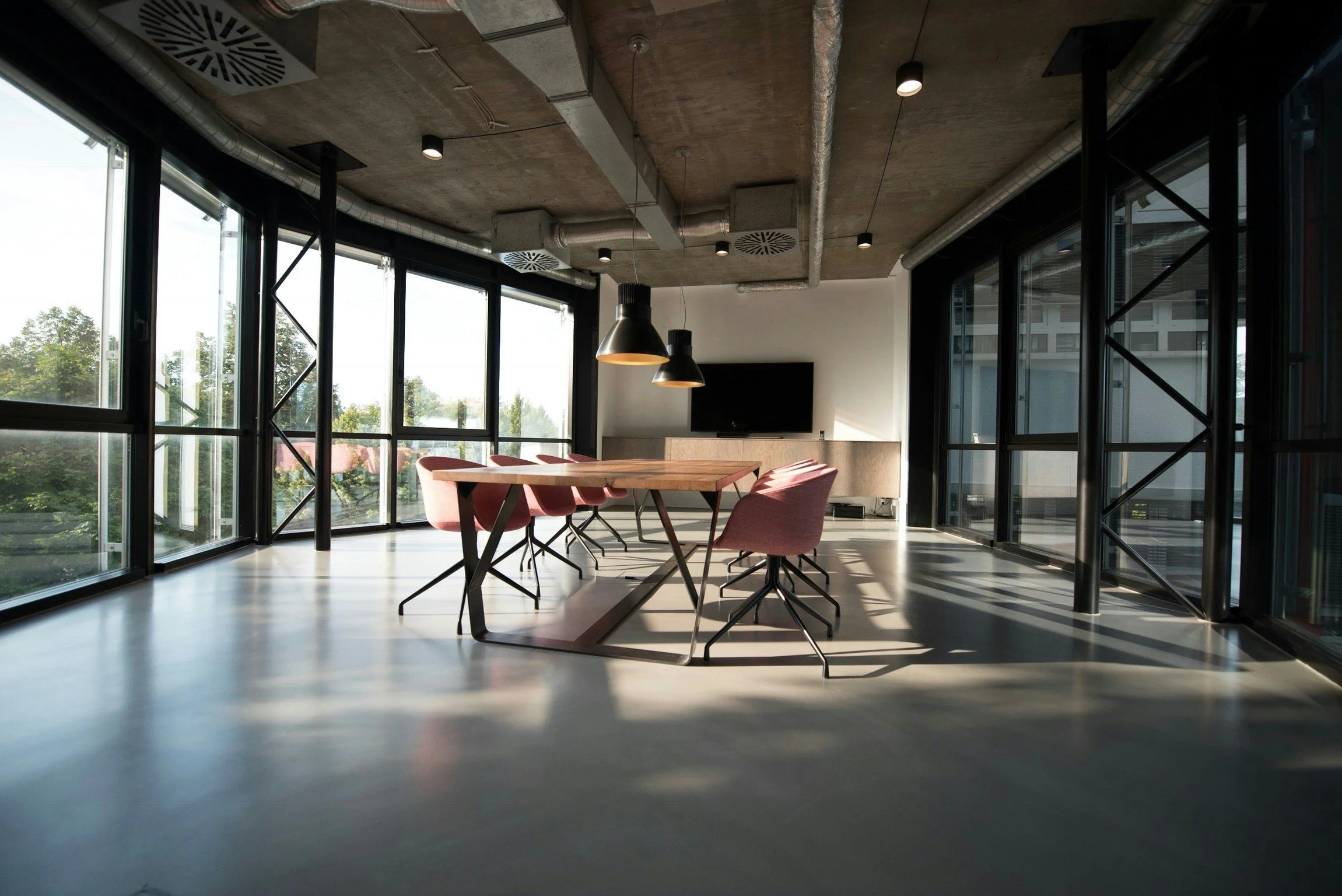
The rise in flexible offices shows a move toward autonomy and collaboration, avoiding long-term leases and rigid layouts. Coworking spaces, open offices, and serviced spaces are growing, allowing businesses to customize environments. This trend isn't just in tech hubs—cities worldwide are adopting adaptable solutions to meet modern workforce needs.
In the ever-evolving work landscape, flexible office spaces have become a significant force, transforming how businesses accommodate teams and nurture innovation. These dynamic environments cater to companies ranging from budding startups to global enterprises, offering the ability to adapt to workforce needs quickly. Notably, solutions like private executive suites deliver both privacy and flexibility, combining the professionalism of a traditional office with the agility required for modern business operations.
Key Drivers Behind The Shift
The shift to flexible office spaces is driven by several key factors. The rise of remote and hybrid work models during the last decade, especially after the pandemic, changed expectations for employees and employers. Companies now see the need for adaptable workspaces that can grow or shrink with projects. These needs cut across industry and organization size, as scalability, convenience, and testing new markets become essential. Organizations view real estate as a flexible, dynamic resource aligned with company goals, enabling agility. This adaptability also helps attract and retain talent, who see customizable workplaces as part of a progressive company culture.
Benefits For Teams And Organizations
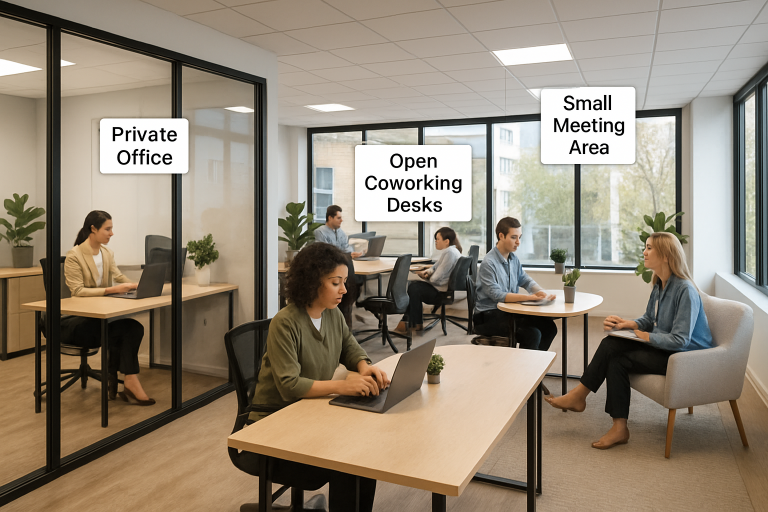
Flexible office spaces offer unmatched adaptability for staff growth or downsizing, modern amenities without large upfront investments, and settings that encourage networking, collaboration, and innovation. These spaces are ideal for startups and remote-first teams, allowing resources to be channeled into mission-critical functions without long-term contracts or costly renovations. Modern office buildings often feature high-quality shared amenities, creating a vibrant and collaborative atmosphere for creative exchange and productivity.
Role Of Technology In Adaptable Offices
Rapid tech advances drive the appeal of flexible work environments. High-speed internet, Wi-Fi, secure access, and cloud tools are now standard, supporting smooth collaboration in hybrid and remote setups. These innovations, like app-controlled doors, smart booking, and on-demand video, streamline daily operations. Companies can then prioritize logistics, client service, and growth, with infrastructure maintained by experts.
Financial Considerations And Value
Flexible office spaces appeal to finance, employees, and executives. Unlike traditional leases requiring upfront investments in fit-outs, furniture, and utilities, flexible arrangements let organizations pay only for what they use and scale as needed. This conserves capital and reduces risk in uncertain times. Providers often include operational costs—like cleaning, security, and utilities—into monthly payments, offering transparency and easier financial planning, especially for small or growing firms pursuing new opportunities.
Impact On Employee Well-Being
The modern workforce values comfortable, well-lit, ergonomic workplaces with wellness amenities. Flexible office designs with breakout areas, quiet rooms, and collaborative spaces help employees balance focused work and interaction, boosting productivity and retention. Studies show flexible arrangements lower stress and increase retention. Allowing teams autonomy over work location signals a commitment to well-being, a top priority for professionals.
The Future Outlook Of Workspaces
The adoption of flexible offices is likely to lead to more innovation, with a focus on wellness designs, sustainable materials, and advanced environmental controls. Demand for flexible leases and multipurpose spaces will stay high, allowing businesses to adapt easily. Sustainability is also becoming key in workspace decisions, with operators pursuing eco-certifications and energy-efficient setups to support corporate responsibility and cut costs. This green focus will distinguish top providers in the future.
Recent Developments In Flexible Workspaces
Last year, the sector saw strong investment as brands expanded across North America, Europe, and Asia-Pacific. Operators introduced innovative workspace setups for startups, non-profits, and large firms. These trends reflect a shift in work expectations and company offerings. Industry experts foresee more hospitality features, like concierge services and wellness programs, integrating into flexible workspaces.
Conclusion
The surge in flexible office spaces shows a shift in how businesses see work environments—no longer just costs, but strategic assets that adapt to needs. These spaces promote efficiency, innovation, and well-being, helping companies stay agile amid economic uncertainty. As technology, sustainability, and employee expectations evolve, flexible offices will lead workplace change, providing the adaptability modern organizations need.