Dental Implants: A Path to a Confident Smile
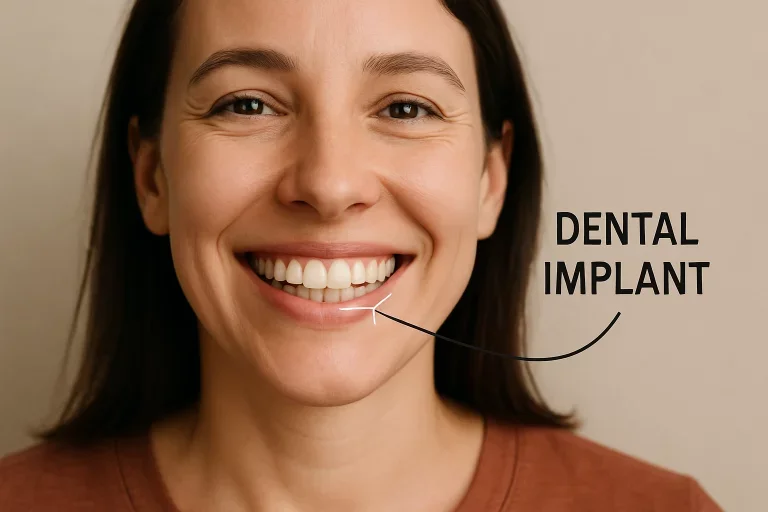
Introduction to Dental Implants
Missing teeth are more than just a cosmetic challenge—they can erode your self-confidence and profoundly impact everyday aspects of your life, such as your speech and enjoyment of your favorite foods. Gaps in your smile can sometimes make social interactions uncomfortable, leading to a reluctance to laugh or speak freely. Thankfully, technological advancements in modern dentistry have elevated dental implants to a level where they are not only highly durable but also extremely natural-looking and lifelike. For individuals seeking to restore both the beauty and functionality of their smile, Dental Implants Orlando FL offers comprehensive care and state-of-the-art solutions designed to help you regain the confidence that comes with a healthy, radiant smile.
No matter if you are embarking on this journey for the very first time or if you’ve spent years battling with ill-fitting dentures or bridges, dental implants can offer a truly transformative experience. This in-depth guide will walk you through the core benefits of dental implants, describe the steps involved in receiving them, outline crucial care tips to protect your investment, and help you find out if you’re an ideal candidate. By understanding your options and what to expect, you’ll be better equipped to make an informed decision with long-term results that can last a lifetime.
What Are Dental Implants?
Dental implants are innovative, screw-like posts, typically constructed from biocompatible titanium, which are surgically inserted into the jawbone to function as artificial tooth roots. For several months, the jawbone bonds with the implant through a process known as osseointegration, firmly anchoring the implant in place. This fusion creates an incredibly stable base on which lifelike artificial teeth, such as crowns, bridges, or complete dentures, can be securely attached. With dental implants, patients experience not only the restoration of dental function but also a natural appearance and the reassurance of a stable, lasting solution. For more on the science behind dental implants and their long-term outcomes, visit the American Dental Association dental implants resource.
Benefits of Dental Implants
Natural Appearance and Feel: Dental implants are custom-made to match the color, size, and shape of your natural teeth, resulting in a smile that looks as good as it feels. Unlike removable dentures, implants stay firmly in place, allowing you to speak, eat, and laugh with full confidence and no anxiety about slippage or discomfort.
Long-Term Durability: When properly cared for, dental implants are designed to last for decades, often a lifetime. In contrast with bridges or dentures, which may require periodic adjustments or replacements, implants are designed to withstand daily wear and tear while blending seamlessly with your existing teeth.
Bone Health: Losing a tooth can lead to a gradual loss of bone in the jaw as it no longer receives stimulation from chewing. Dental implants counteract this by mimicking the function of natural tooth roots, encouraging bone growth and preventing the facial sagging associated with jawbone deterioration.
Preservation of Adjacent Teeth: Unlike traditional bridges that may necessitate the grinding down of healthy neighboring teeth to anchor the restoration, implants stand independently. This means your remaining natural teeth are spared from unnecessary damage, helping to preserve your overall dental health.
Increased Comfort and Confidence: Because dental implants become part of your jawbone, they feel just like your own teeth. There’s no bulky hardware or adhesives involved, ensuring everyday comfort and making social situations stress-free.
These advantages not only enhance your quality of life but also protect your oral health for far into the future.
The Dental Implant Procedure
While every patient is unique, the dental implant process generally follows a structured, multi-step pathway that optimizes the outcome:
Initial Consultation: Your journey begins with an in-depth oral evaluation where your dentist reviews your health history and takes digital X-rays or scans of your teeth and jaw. This assessment determines whether you have sufficient healthy bone for implant placement or if preparatory procedures, such as bone grafting, are needed to build up the implant site.
Implant Placement: During this stage, the dental implant is surgically positioned within the jawbone beneath the gum line. This minimally invasive procedure is performed with local anesthesia to keep you comfortable. As the site heals over several months, the bone bonds with the implant, ensuring stability for the next phase.
Abutment Placement: Once the implant has successfully fused with the bone, a small device called an abutment is attached to serve as a connector. The gums are then allowed to heal around the abutment, preparing the site for the final restoration.
Restoration: The final stage involves crafting and fitting a prosthetic tooth (such as a crown or bridge) to the abutment. These custom restorations are meticulously designed to match your natural teeth, providing a flawless, cohesive appearance and a functional bite. For a more in-depth look at this process from a patient's perspective, the MouthHealthy dental implants resource offers detailed information.
This stepwise procedure not only achieves a result that looks and feels natural but also delivers lasting oral health benefits.
Caring for Your Dental Implants
Protecting your investment in dental implants and securing their longevity is surprisingly straightforward. The same daily care routines that keep natural teeth healthy are equally important for implants:
Brush gently but thoroughly at least twice each day using a soft-bristled toothbrush and non-abrasive toothpaste to protect implants and surrounding gums from irritation.
Commit to daily flossing—using floss, interdental brushes, or water flossers—around and between teeth to eliminate food particles and plaque that can lead to gum disease.
Add an antimicrobial mouthwash to your oral hygiene routine to reduce harmful bacteria and minimize the risk of peri-implantitis (the implant equivalent of gum disease).
Maintain a schedule of regular dental checkups and in-office cleanings (at least every six months, or more frequently if advised). Your dentist can monitor the health of your implant, assess the integrity of your gums and bone, and detect potential issues early.
With consistent care, dental implants can remain healthy, functional, and beautiful for decades.