Methods for Modern Relaxation: From Topical Pain Relief to Craft Spirits
Tackling Physical Discomfort for True Relaxation
Physical discomfort, whether from muscle strain, persistent nerve pain, or general aches, can significantly impede our ability to relax and enjoy life. Common pain points like neck tension and lower back pain are often rooted in underlying issues, including the compression of nerves. A pinched nerve, medically known as radiculopathy when affecting the spinal nerve roots, can manifest as sharp, shooting pain, numbness, tingling, or weakness in the affected area. Understanding these common pain points and employing effective self-care techniques are crucial first steps towards achieving true relaxation.
At-Home Physical Relaxation and Pain Relief Techniques
Several at-home strategies can provide relief and support the healing process when dealing with physical discomfort, especially from a suspected pinched nerve. We recommend starting with conservative measures to reduce inflammation and pressure on the nerve.
Rest and Activity Modification: One of the most frequently recommended treatments for a pinched nerve is resting the affected area. This doesn't necessarily mean complete immobility, but instead avoiding activities exacerbating the pain or putting further pressure on the nerve. For instance, if you have a pinched nerve in your neck, you might need to limit specific head movements or avoid carrying heavy bags on one shoulder. Avoiding prolonged sitting or heavy lifting can be beneficial for lower back issues. Giving the nerve time to recover is paramount.
Posture Correction and Ergonomics: Poor posture is a common culprit behind many musculoskeletal issues, including pinched nerves. We encourage maintaining good posture, whether sitting, standing, or sleeping. When at a desk, ensure your computer monitor is at eye level, your chair provides adequate lumbar support, and your wrists are straight when typing. These ergonomic adjustments can significantly reduce strain on your spine and nerves. Using a supportive pillow that maintains neutral neck alignment while sleeping can also make a huge difference. You can find more tips on preventing neck pain while sleeping here.
Gentle Stretching and Exercise: While rest is essential, complete inactivity can sometimes worsen stiffness. Gentle stretches and low-impact exercises can help improve flexibility, strengthen supporting muscles, and reduce pressure on the nerve. Physical therapists often recommend specific exercises custom to the location of the pinched nerve. For example, chin tucks and ear-to-shoulder stretches can help with cervical radiculopathy (pinched nerve in the neck). In contrast, knee-to-chest stretches and pelvic tilts can alleviate pressure for sciatica (pinched nerve in the lower back). Always listen to your body and stop if any movement causes sharp pain. Integrating movement for mental and physical well-being also helps release endorphins, the body's natural painkillers.
Temperature Therapy: Alternating between ice and heat can effectively manage pain and inflammation. We suggest applying ice for 15-20 minutes at a time, several times a day, especially during the first 24-48 hours after symptoms begin. Ice helps reduce swelling and numb the area. After the initial acute phase, heat therapy can be introduced. A heating pad, warm compress, or warm bath can help relax tense muscles, improve blood circulation, and soothe discomfort. Apply heat for 15-20 minutes at a time. The Cleveland Clinic provides more insights into the best sleeping positions for pain, which can be helpful when considering overall comfort and recovery.
The Role of Topical Solutions for Relaxation and Pain Relief
Beyond these foundational self-care techniques, topical solutions can offer targeted relief for localized discomfort. Topical analgesics, available as creams, gels, or patches, are applied directly to the skin over the painful area. Many of these products contain active ingredients like menthol, camphor, or capsaicin, which create a cooling or warming sensation that can distract from pain signals or reduce localized inflammation.
The beauty of topical solutions lies in their ability to provide direct relief without the systemic side effects often associated with oral medications. Many formulations incorporate natural ingredients such as arnica, magnesium, or essential oils for those seeking a more natural approach. These natural compounds are often chosen for their anti-inflammatory and pain-relieving properties. Formulations with natural ingredients can provide superior muscle pain relief to soothe sore areas and facilitate relaxation. When choosing a topical product, we recommend looking for those with high-quality, transparently sourced ingredients to ensure efficacy and safety. Always perform a patch test first to check for any skin sensitivities.
The Mindful Approach to Relaxation and Pain Relief
While physical treatments address the body, true relaxation often requires addressing the mind. Stress and mental tension can exacerbate physical pain, creating a vicious cycle. Cultivating a mindful approach to life can significantly impact our overall well-being and ability to manage discomfort.
Cultivating Calm with Mindfulness and Meditation
Mindfulness is being present and fully aware of the current moment without judgment. Meditation is a formal practice that helps cultivate this state. Integrating mindfulness and meditation into daily routines can lead to profound stress reduction and mental clarity benefits.
Guided Meditation: For beginners, guided meditations can be an excellent starting point. These involve listening to an audio recording that leads you through a meditation practice, focusing on breath, body sensations, or visualizations. Many apps and online resources offer free guided meditations.
Body Scan Technique: This mindfulness exercise involves systematically bringing attention to different parts of the body, noticing any sensations, tension, or discomfort without trying to change them. This practice can increase body awareness, helping us identify and release physical tension we might not have consciously noticed.
Breathing Exercises: Simple deep breathing exercises like diaphragmatic breathing can immediately activate the body's relaxation response. Taking slow, deep breaths helps calm the nervous system, reduce heart rate, and lower blood pressure, providing immediate relief from stress and anxiety.
Integrating Movement for Mental and Physical Well-being
Movement is not just for physical health; it's also a powerful tool for mental well-being. Mindful movement practices can help release endorphins, reduce stress hormones, and improve mood.
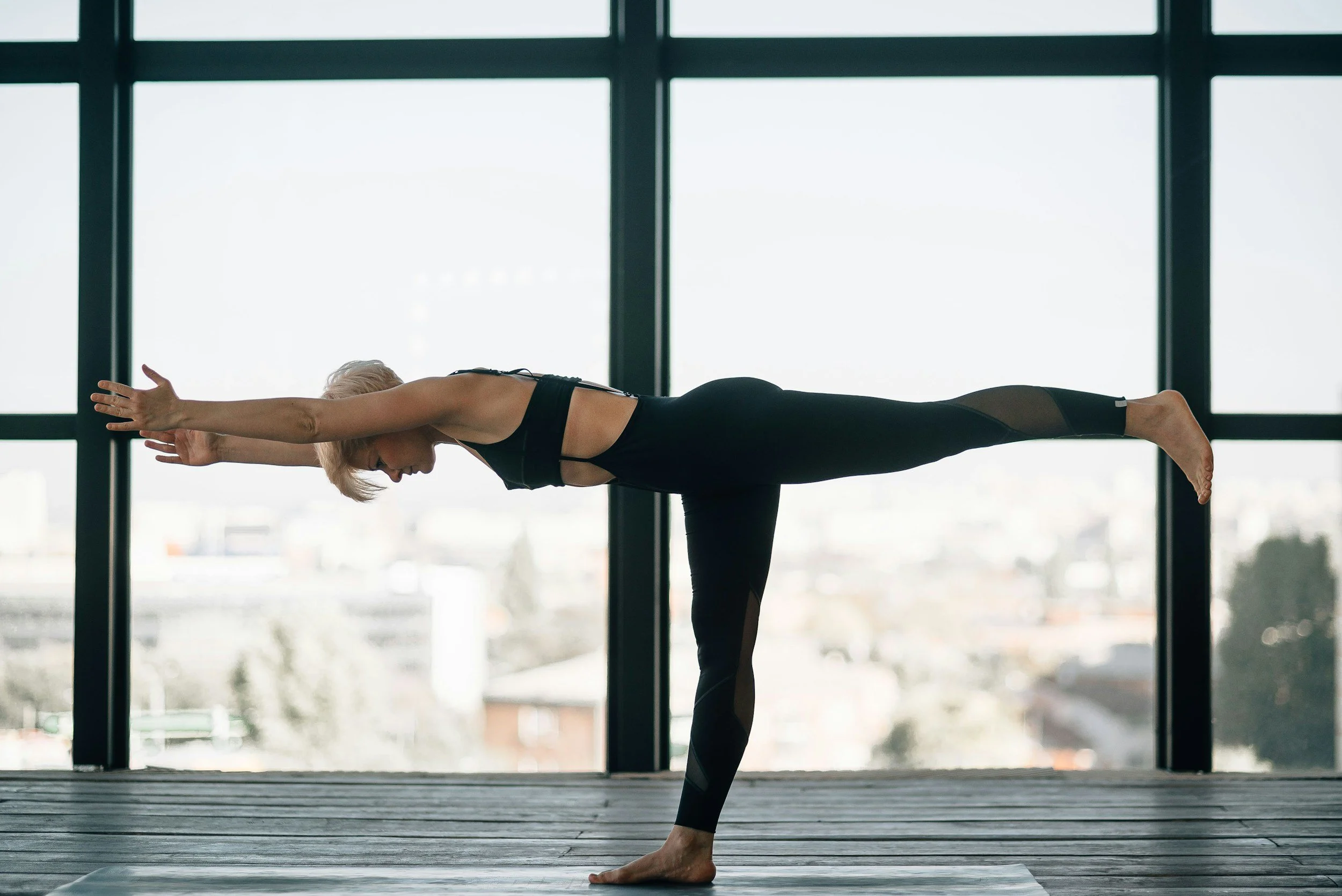
Yoga and Tai Chi: These ancient practices combine physical postures, breathing techniques, and meditation, making them excellent for integrating mind and body. Yoga can improve flexibility, strength, and balance, while Tai Chi focuses on slow, flowing movements that enhance coordination and promote a sense of calm. Both are low-impact and can be adapted for various fitness levels, making them suitable for individuals managing physical discomfort.
Low-Impact Exercise: Activities like walking, swimming, or cycling are gentle on the joints and can still provide significant mental and physical benefits. Regular low-impact exercise helps maintain a healthy weight, improves circulation, and strengthens muscles, indirectly supporting nerve health and reducing the likelihood of pinched nerves. The American Heart Association provides valuable information on heart attack symptoms in women, underscoring the importance of overall health awareness here.
Simple Stress-Reducing Exercises:
Cat-Cow Pose: A gentle yoga pose that stretches the spine and neck, releasing tension.
Child's Pose: A restorative yoga pose that calms the brain and helps relieve stress and fatigue.
Walking Meditation: Walking slowly and mindfully, paying attention to each step and the sensations of movement, can be a powerful way to integrate mindfulness into daily activity.
Lifestyle Adjustments for Sustained Serenity
Achieving lasting relaxation and freedom from discomfort often requires more than just addressing immediate symptoms; it involves cultivating daily habits that support overall health and well-being. Lifestyle adjustments in sleep, nutrition, and environmental design prevent pain and promote serenity.
Optimizing Your Sleep for Better Recovery
Sleep is when our bodies repair and refresh. Poor sleep can exacerbate pain, hinder healing, and increase stress levels. We emphasize optimizing your sleep environment and habits for better recovery.
Consistent Sleep Schedule: Going to bed and waking up simultaneously each day, even on weekends, helps regulate your body's natural sleep-wake cycle (circadian rhythm). This consistency can improve sleep quality and make it easier to fall asleep and wake up refreshed.
Supportive Pillows and Mattress: A good pillow and mattress are essential for maintaining proper spinal alignment during sleep, critical for preventing and alleviating pinched nerve pain, especially in the neck and lower back. We recommend choosing pillows that contour to your neck and head and a mattress that provides adequate support without being too hard or too soft. The University of Rochester Medical Center highlights how good sleeping posture helps your back here.
Reducing Blue Light Exposure: The blue light emitted from electronic devices (smartphones, tablets, computers) can interfere with melatonin production, a hormone that regulates sleep. We advise limiting screen time at least an hour before bed and using blue light filters on devices if late-night use is unavoidable.
Creating a Pre-Sleep Routine: Establishing a relaxing routine before bed signals to your body that it's time to wind down. This could include a warm bath, book reading, gentle stretching, or calming music. Avoiding caffeine and heavy meals close to bedtime is also beneficial.
The Impact of Nutrition on Stress and Relaxation
What we eat significantly influences our body's inflammatory response and overall nerve health. A nutrient-rich diet can support healing and reduce pain.
Anti-Inflammatory Diet: We recommend focusing on foods that reduce inflammation, such as fruits, vegetables, whole grains, lean proteins, and healthy fats (like those in olive oil, avocados, and fatty fish). Limiting processed foods, sugary drinks, and excessive red meat can help reduce systemic inflammation that might contribute to nerve irritation.
B Vitamins and Magnesium: These micronutrients are particularly important for nerve health. B vitamins (especially B6, B9, and B12) play a role in nerve function and repair. Magnesium is crucial for muscle relaxation and nerve transmission. We suggest incorporating foods rich in these nutrients, such as leafy greens, nuts, seeds, legumes, and whole grains.
Limiting Caffeine and Staying Hydrated: While a morning coffee might be part of your routine, excessive caffeine intake, especially in the afternoon or evening, can disrupt sleep and increase anxiety. Staying adequately hydrated throughout the day is vital for overall cellular function and nutrient transport, supporting healthy nerve tissue.
Unwinding with Quality: The Art of Mindful Indulgence
In our pursuit of relaxation and pain relief, we often overlook the power of mindful indulgence. This isn't about excess but appreciating quality over quantity and engaging our senses in experiences that nourish us. Whether it's a carefully chosen beverage or a moment of quiet contemplation, the art of mindful indulgence can be a powerful tool for serenity.
Choosing the Experience of a Craft Beverage
For many, unwinding includes enjoying a fine beverage. We encourage a shift from habitual consumption to a mindful experience, particularly with craft beverages.
Savoring Flavors: Craft beverages, whether a small-batch coffee, artisanal tea, or a thoughtfully produced spirit, are designed to be savored. Taking the time to appreciate the aroma, taste, and texture can lift the act of drinking into a meditative experience. This focus on sensory details helps ground us in the present moment, a core principle of mindfulness.
The Social Aspect: Sharing a quality craft beverage with loved ones can foster connection and conversation, enhancing relaxation through social interaction. The ritual of pouring, serving, and discussing the nuances of a drink can create a moment of shared enjoyment and calm.
The Story Behind the Product: Many craft producers are passionate about their ingredients and processes. Learning about a beverage's origins, craftsmanship, and philosophy can deepen our appreciation and connection to the experience, turning a simple drink into a story.
Mindful Indulgence for Relaxation and Pain Relief
The principles of mindful indulgence extend beyond beverages. They apply to any product or experience we choose for relaxation or well-being. This includes selecting items produced with care and using natural and high-quality ingredients.
Small-Batch Production and Natural Ingredients: We find that products made in small batches, with attention to detail and a commitment to natural ingredients, often offer a superior experience. This shift towards conscious consumption is driven by a desire for transparency and purity, which is why Two Flags organic and other craft producers focus on high-quality, natural ingredients. When we choose products free from artificial additives and harsh chemicals, we support our body's natural healing processes and reduce exposure to potential irritants. This mindful selection extends to everything from the food we eat to the topical pain relief solutions we choose.
Frequently Asked Questions about Relaxation and Pain Relief
We often receive questions about quick fixes and daily management for common discomforts. Here are some of our most frequent inquiries:
How can I quickly relieve neck and shoulder tension at my desk?
Quick relief at your desk involves a combination of simple strategies:
Desk Stretches: Perform gentle neck rotations, shoulder rolls, and chin tucks. These can be done discreetly and help release immediate tension.
Posture Check: Take a moment to assess your posture. Are your shoulders slumped? Is your head tilted forward? Adjust your chair and monitor so your feet are flat on the floor, your back is supported, and your screen is at eye level.
Ergonomic Adjustments: Ensure your keyboard and mouse are positioned so your wrists are straight. Consider a stand-up desk converter to alternate between sitting and standing.
Taking Micro-Breaks: Every 30-60 minutes, stand up, walk around for a minute or two, and stretch. This breaks up prolonged static postures that contribute to tension.
Are topical pain relievers safe for daily use?
The safety of daily use for topical pain relievers depends on the specific product and its ingredients.
Following Instructions: Always adhere to the manufacturer's instructions regarding frequency and duration of use. Overuse can lead to skin irritation or, in some cases, systemic absorption of ingredients.
Consulting a Doctor: We recommend consulting your doctor if you plan to use a topical pain reliever daily for an extended period, especially for chronic conditions like a pinched nerve. They can advise on potential interactions with other medications or underlying health conditions.
Natural Ingredients: Products with natural ingredients tend to have a lower risk of adverse effects than those with strong synthetic chemicals. However, even natural ingredients can cause allergic reactions.
Patch Testing: Before widespread use, always apply a small amount of the product to a discreet skin area to check for allergic reactions or irritation.
What's the difference between mindfulness and meditation?
While often used interchangeably, mindfulness and meditation are distinct yet interconnected concepts:
Mindfulness as a State of Awareness: Mindfulness is a state of being – a quality of mind. It refers to being fully present, aware of where we are and what we’re doing, and not overly reactive or overwhelmed by what’s happening around us. It's about paying attention to the present moment without judgment. You can be mindful while washing dishes, walking, or eating.
Meditation as a Formal Practice: Meditation is a formal practice or technique to cultivate mindfulness. It's a set of exercises that trains the mind to be more present and aware. Examples include sitting meditation, walking meditation, or body scan meditation. Through consistent meditation practice, we can develop a greater capacity for mindfulness in our daily lives.
Mindfulness is the goal or the state, and meditation is one of the primary ways to get there.
Conclusion
Achieving modern relaxation and effectively managing discomfort, such as a pinched nerve, requires a holistic and personalized approach. We've explored how addressing physical remedies, from at-home care like rest and targeted stretches to the benefits of topical pain relief, forms the foundation. Equally vital are mental practices, where cultivating mindfulness and integrating movement through yoga or low-impact exercise can profoundly impact our stress levels and overall well-being.
Beyond immediate relief, lasting serenity is fostered through mindful choices in our daily lives. Optimizing sleep, embracing an anti-inflammatory diet, and even mindfully indulging in quality craft products contribute to a healthier, more balanced existence. Combining these strategies allows you to build a comprehensive toolkit custom to your unique needs. We encourage you to experiment with these methods, listen to your body, and gradually incorporate what works best for you. Your journey towards sustained serenity and a life less burdened by discomfort is a continuous, rewarding process.