Masters of Motion: Insights from Leaders in Roadside Rescue, Transport, and Moving
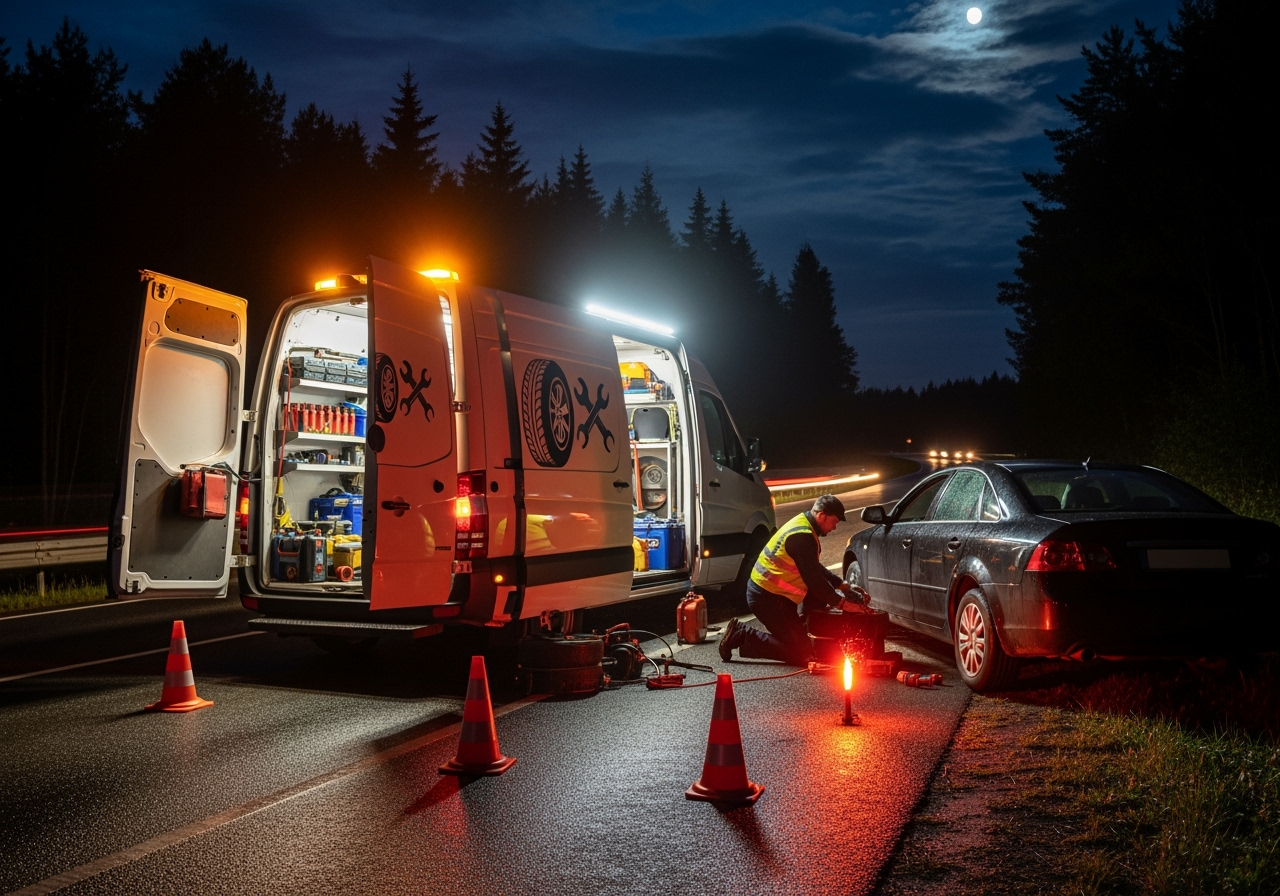
The Unsung Heroes: Innovations in Roadside Assistance
Our modern lives are built on motion. From daily commutes to complex logistics, we rely on smooth journeys. But what happens when a flat tire leaves us stranded, or when moving precious cargo demands expert care? These moments can disrupt our schedules and impact our peace of mind.
This article digs into those who master motion. We will explore the latest innovations in roadside assistance, ensuring we're never truly stuck. We'll also examine the evolution of group transportation, making travel effortless for many. Finally, we'll uncover the precision required for specialized moving, handling our most valuable possessions with care. Join us to understand how these vital services keep our world moving forward.
The intricate dance of vehicles on our roads, the seamless flow of goods, and the organized movement of people all contribute significantly to our global economy. Transportation is the backbone of commerce, connecting manufacturers to markets, and individuals to opportunities. Without efficient logistics networks, supply chains would crumble, and daily life as we know it would grind to a halt. The continuous drive for technological innovation within this sector ensures that these critical services are not only maintained but constantly improved, adapting to new challenges and demands. From advanced navigation systems to electric vehicles and sophisticated fleet management software, technology is reshaping every aspect of motion.
Being stranded on the side of the road, whether due to a flat tire, an empty fuel tank, or a dead battery, is a scenario no driver wants to face. Historically, such incidents meant long waits, uncertainty, and often, significant inconvenience. However, the landscape of roadside assistance has undergone a profound change, driven by a commitment to convenience, safety, and efficiency. Today's roadside heroes arrive not just with a wrench, but with sophisticated mobile service vans equipped with advanced tools and technology. These dedicated professionals operate 24/7, ready to respond to emergencies at any hour, in almost any location. The goal is simple: minimize disruption and get drivers back on their way as quickly and safely as possible. This evolution reflects a deeper understanding of driver needs and the critical role vehicles play in our daily routines.
The Rise of 24/7 Mobile Repair Services
At the forefront of this innovation are the 24/7 mobile tire repair services. Gone are the days when a flat tire automatically meant a costly tow to a garage. Now, a specialized technician can come directly to your location—be it a busy highway, a quiet residential street, or even your driveway. These services are designed to handle a wide array of common tire issues on the spot. Flat tire repair, for instance, often involves patching minor punctures, a quick and effective solution that saves both time and money. For more severe damage, such as a sidewall tear or an irreparable blowout, mobile units are typically stocked with a selection of new or used tires, allowing for immediate tire replacement.
The convenience of on-demand service cannot be overstated. It significantly reduces vehicle downtime, a crucial factor for both individual commuters and commercial operators. Beyond tire-specific issues, many comprehensive mobile repair services also offer essential roadside assistance like battery boosts for vehicles that won't start, and fuel delivery for those who've run out of gas. This holistic approach ensures that a single call can resolve multiple common roadside predicaments, changing a stressful situation into a manageable one. The integration of mobile technology, allowing for precise location tracking and rapid dispatch, has made these services incredibly responsive and reliable, truly making them a lifeline for drivers in distress.
What to Expect from Modern Roadside Support
When you find yourself in need of roadside assistance, understanding what to expect can alleviate much of the stress. Modern services prioritize rapid response times, though these can vary based on factors such as traffic, weather conditions, and your exact location. Many providers offer real-time tracking, allowing you to monitor your technician's estimated time of arrival (ETA) directly from your smartphone. The service vehicles themselves are often specially equipped trucks or vans, capable of handling a diverse range of vehicles, from standard passenger cars and SUVs to light commercial trucks and even larger recreational vehicles (RVs). This versatility ensures that most drivers can receive assistance regardless of their vehicle type.
A key aspect of mobile tire repair is the technician's ability to quickly assess whether a tire can be repaired or if it requires replacement. Factors like the size and location of the puncture are critical. Small punctures in the tread area are often repairable, while damage to the sidewall or a large blowout typically necessitates a full tire replacement for safety reasons. To ensure a smooth and efficient service call, it’s always beneficial to have certain information ready when contacting a mobile repair service: your precise location, the make and model of your vehicle, the tire size (usually found on the tire's sidewall or in your car's manual), and a brief description of the problem. Having this information at hand allows the dispatcher to send the right equipment and technician, further reducing your waiting time. For those seeking comprehensive and reliable assistance, exploring a robust network dedicated to immediate support can be invaluable. A reliable network for 24/7 mobile tire repair ensures that help is always just a call away, connecting you with qualified professionals who can address your needs swiftly and effectively.
People in Motion: The Evolution of Group Transportation Services
Moving beyond individual vehicle emergencies, the field of group transportation has also seen remarkable advancements, catering to a diverse range of needs from corporate events to tourism and large-scale charter services. The evolution in this sector isn't just about getting people from point A to point B; it's about providing a seamless, comfortable, and efficient experience that improves the overall journey. Modern group transportation services offer much more than just a ride; they provide a mobile environment designed for productivity, relaxation, or celebration. Whether it's executives heading to a conference, tourists exploring new landscapes, or a sports team traveling to a game, the focus is on delivering a high-quality service that meets specific group requirements. This often includes vehicles equipped with advanced amenities, professional drivers, and carefully planned logistics, changing what could be a logistical headache into a smooth, enjoyable, and memorable part of any group activity.
Planning and Logistics for Group Travel
Effective planning and meticulous logistics are the cornerstones of successful group travel. Unlike individual commutes, coordinating the movement of multiple people requires a strategic approach to ensure everything runs smoothly. This begins with precise scheduling, aligning pickup and drop-off times with event itineraries or flight schedules. Route optimization is another critical element, utilizing advanced GPS and traffic monitoring systems to select the most efficient paths, avoiding delays and ensuring timely arrivals.
Vehicle selection is paramount, custom to the size of the group and the nature of the journey. Options range from luxury sedans and spacious vans for smaller parties to full-sized coaches and buses for larger contingents. Passenger capacity, luggage space, and specific on-board amenities—such as Wi-Fi, restrooms, entertainment systems, and comfortable seating—are all considered to improve the travel experience. Furthermore, the qualifications and professionalism of the drivers are non-negotiable. They are not merely operators but often serve as the face of the service, responsible for passenger safety, adherence to schedules, and providing a pleasant atmosphere. Comprehensive planning ensures that every detail, from the initial booking to the final drop-off, is executed with precision, making group travel an effortless endeavor for organizers and participants alike.
Understanding the Costs of Group Transportation Services
When budgeting for group transportation, understanding the various pricing models and factors that influence costs is essential for making informed decisions. Pricing for services like coach rentals can be structured in several ways, including per-person rates, hourly charges, or distance-based fees. The choice of model often depends on the duration and complexity of the trip, as well as the number of passengers. For instance, a short shuttle service might be charged hourly, while a multi-day tour would likely involve a per-day or mileage-based rate.
Several key factors affect coach rental prices:
Vehicle Type and Size: Larger, more luxurious coaches with extensive amenities (e.g., restrooms, Wi-Fi, entertainment systems) will naturally cost more than standard models or smaller vans.
Duration of Rental: Longer rental periods, whether by hours, days, or weeks, will increase the overall cost.
Distance Traveled: Mileage is a significant factor, especially for long-distance trips, as it impacts fuel consumption, driver wages, and vehicle wear and tear.
Time of Year/Seasonal Demand: Peak seasons, such as summer, holidays, or major event dates, often see higher prices due to increased demand.
Driver Wages and Accommodation: For multi-day trips, the cost of driver's lodging and per diem expenses will be included.
Fuel Costs: Fluctuations in fuel prices can impact the final cost, especially for extensive travel.
Tolls and Parking Fees: Any road tolls or parking fees incurred during the journey are typically passed on to the client.
Additional Amenities: Specific requests like catering, custom branding, or on-board attendants will add to the expense.
An example of transparent pricing can be seen in resources like the Brisbane 360 coach services pricing guide. Such guides provide a clear breakdown of potential costs, allowing clients to accurately budget and compare options, ensuring there are no hidden surprises. By carefully considering these variables, organizations and individuals can secure the most cost-effective and suitable transportation solution for their group.
The Art of Relocation: Specialized Moving and Logistics
Relocation, whether residential or commercial, is often cited as one of life's most stressful events. However, when it involves high-value goods, delicate equipment, or irreplaceable heirlooms, the process transcends mere transportation and becomes an art of specialized logistics. This sector of the moving industry is defined by its meticulous attention to detail, bespoke solutions, and the professional training of its personnel. It's about more than just packing boxes; it's about understanding the unique requirements of each item, employing advanced techniques, and ensuring an unbroken chain of care from origin to destination. Companies specializing in this field invest heavily in training their teams, equipping them with the knowledge and skills to handle everything from fragile antiques to complex machinery. The goal is to provide peace of mind, knowing that even the most challenging relocation projects are managed with the utmost professionalism and precision, safeguarding possessions every step of the way.
Beyond the Box: Handling Specialty Items
Certain items simply cannot be packed into a standard moving box. These are the specialty items that demand a higher level of care, expertise, and often, custom solutions. The transport of fine art, for example, requires not only specialized crating designed to protect against impact but also climate-controlled environments to prevent damage from temperature and humidity fluctuations. Antique moving similarly calls for a deep understanding of historical materials and construction, often necessitating custom padding, bracing, and careful handling to preserve their integrity.
One of the most iconic examples of specialized moving is the relocation of musical instruments, particularly grand pianos. These magnificent instruments are not only heavy and cumbersome but also incredibly delicate, with complex internal mechanisms that can be easily damaged by improper handling. Specialized Piano Transportation Services exist precisely for this reason, employing trained technicians who understand the balance, weight distribution, and structural vulnerabilities of these instruments. They use custom dollies, ramps, and strapping systems to steer tight spaces and secure the piano safely for transit. Beyond these, the handling of delicate scientific equipment, server racks, or even bespoke furniture often requires custom crating, shock-absorbent packaging, and specialized lifting tools. These services go "beyond the box" by providing custom logistical solutions that ensure the safe and secure relocation of items that hold significant monetary, historical, or sentimental value.
Choosing a Reliable Moving Partner
Selecting the right moving partner is perhaps the most critical decision in any relocation process, especially when dealing with specialized or high-value items. A reliable mover can transform a potentially chaotic experience into a smooth transition, while a poor choice can lead to significant stress, damage, or even loss. The vetting process should be thorough and comprehensive. Start by researching companies that specialize in your specific needs, whether it's residential, commercial, or specialized item transport.
Key considerations include:
Licensing and Credentials: Verify that the moving company is properly licensed and insured. For interstate moves in the U.S., they should have a U.S. Department of Transportation (DOT) number. For international moves, ensure they have the necessary certifications and affiliations.
Insurance Coverage: Understand the types of insurance offered. Basic liability coverage is often minimal; consider purchasing additional valuation protection for your belongings, especially high-value items.
Experience and Specialization: Choose a company with a proven track record in handling moves similar to yours. If you're moving delicate art or machinery, ensure they have specific expertise in those areas.
Customer Reviews and References: Look for independent reviews on reputable platforms and ask for references from past clients. Pay attention to feedback regarding professionalism, communication, and problem resolution.
Transparent Quotes: Obtain detailed, written estimates that clearly outline all costs, including any potential surcharges or fees for specialized services. Beware of unusually low bids, which can often indicate hidden costs.
Contract and Terms: Read the contract carefully before signing, ensuring all services, dates, and costs are explicitly stated. Understand the cancellation policy and any clauses regarding liability.
By diligently evaluating these factors, you can significantly increase your chances of partnering with a mover who is not only reliable and professional but also perfectly equipped to handle the unique demands of your relocation.
Feature Full-Service Movers DIY Moving
Effort Required Minimal; movers handle packing, loading, transport, unloading. High; you handle all aspects yourself. Cost Higher upfront cost, but includes labor, equipment, transport. Lower upfront cost, but hidden expenses (truck rental, fuel, packing supplies, time off work, potential damage). Convenience Maximum; saves time and physical exertion. Low; requires significant time and energy. Specialty Items Expertise and equipment for delicate/heavy items (pianos, art). Requires specialized knowledge and equipment, high risk of damage. Insurance/Liability Professional movers offer various insurance options. Personal insurance may not cover moving damage. Speed Generally faster and more efficient due. Can be slower due to inexperience and limited resources. Stress Level Significantly lower. Significantly higher. Equipment Movers provide all necessary equipment (dollies, blankets, tools). You must rent or buy equipment.
Frequently Asked Questions about Transportation Services
Navigating roadside assistance, group travel, and specialized moving can bring up a host of questions. Here, we address some of the most common inquiries to provide clarity and empower you with the information you need.
How quickly can I expect roadside assistance?
The speed at which you can expect roadside assistance largely depends on several factors, but modern services strive for rapid response. Response time factors include your exact location (urban vs. rural), current traffic conditions, time of day (peak hours vs. late night), and weather. Providers with a large network of technicians, like those offering 24/7 mobile tire repair, often boast impressive average ETAs, sometimes as low as 30-60 minutes in metropolitan areas. Many services now offer real-time tracking through mobile apps or SMS updates, allowing you to monitor your technician's progress and get an accurate estimated time of arrival. This transparency helps manage expectations and reduces anxiety while you wait. While immediate assistance is always the goal, understanding these variables can help you anticipate the arrival of help more accurately.
What information do I need to book a moving or transport service?
To ensure a smooth and accurate booking process for any moving or transport service, having key details ready is crucial. For moving services, you'll need the precise date and desired time of your move, both the pickup and drop-off locations (including any stairs, elevators, or access restrictions), and a detailed inventory list of all items to be moved. For specialized items, mention their dimensions, weight, and any specific handling requirements. For group transport, provide the number of passengers, the exact pickup and drop-off points, the desired date and time, and any special requirements such as specific amenities (Wi-Fi, restrooms) or accessibility needs. Being prepared with this information allows service providers to give you accurate quotes, allocate the appropriate resources, and plan the logistics efficiently, preventing last-minute complications.
Is it more cost-effective to repair or replace a damaged tire on the road?
Determining whether to repair or replace a damaged tire on the road depends heavily on a thorough damage assessment. Generally, a small puncture (typically less than 1/4 inch in diameter) located within the tire's tread area can be safely and cost-effectively repaired. This process usually involves patching the interior of the tire and plugging the exterior, which can extend the tire's life for thousands of miles. However, if the damage is to the tire's sidewall, shoulder, or if the puncture is too large or irregular, repair is not considered safe. In these scenarios, replacement is a necessity, not an option, as a compromised sidewall can lead to catastrophic tire failure. While a repair is almost always cheaper than a replacement, safety standards must always take precedence. A qualified mobile tire technician will be able to assess the damage on-site and advise you on the safest and most appropriate course of action, balancing cost-effectiveness with your safety on the road.
Conclusion
In a world that thrives on connectivity and movement, the services that ensure our motion remains uninterrupted are nothing short of essential. We've explored the remarkable innovations in roadside assistance, where 24/7 mobile tire repair services have become the unsung heroes, delivering immediacy and convenience directly to our location. This shift from traditional tow-and-repair models to on-the-spot solutions highlights a customer-centric approach that prioritizes minimal disruption and maximum efficiency.
Similarly, the evolution of group transportation services demonstrates a sophisticated blend of logistical precision and passenger comfort. From carefully planned routes for corporate events to amenity-rich coaches for tourism, these services ensure that collective journeys are seamless and enjoyable. Finally, the specialized care provided in the field of relocation, particularly for high-value and delicate items, underscores the importance of expertise, precision, and trust. Whether it's the careful handling of a grand piano or the secure transport of fine art, these services lift moving from a chore to a highly skilled operation.
Together, these pillars of roadside rescue, transport, and moving represent the future of mobility—a future characterized by technological integration, unparalleled convenience, and an unwavering commitment to safety and customer satisfaction. As our lives become increasingly dynamic, the leaders in these fields will continue to innovate, ensuring that whether we're moving ourselves, our groups, or our most cherished possessions, our journey forward remains smooth, secure, and always in motion.